Eating well on a budget

Featured image for Eating well on a budget

Eating well on a budget

Healthy eating is important and doesn’t need to be expensive. This food fact sheet will give you some ideas to help you to eat well and keep costs down.

Top tips to save money when shopping

Follow these tips when you go shopping to help you spend less:

  1. Make a meal plan, particularly for your main meals.
  2. Write a shopping list and check what food you already have at home to avoid buying things you don’t need.
  3. Select a time to shop in the week when you are not in a rush.
  4. If you can, avoid shopping on an empty stomach as it may affect what and how much you buy. Consider shopping after you have eaten.
  5. Be aware that special offers are not always the cheapest option (See ‘How to read a label’).
  6. Ask a member of staff at your supermarket for fresh food reduction times and try to shop then. for reduced priced items. Avoid purchasing more than you need or can store. Use within the specified date or freeze for later.
  7. Value brands often taste just as good for a lower price.
  8. Local food markets offer locally-sourced foods which are usually good value for money.
  9. Cheaper products are not always at eye level or positioned obviously. Check out all the shelves (including top and bottom).
  10. Larger supermarkets offer a better range of produce, often at a cheaper cost, so do your main shop there if you can.

5-a-day on a budget

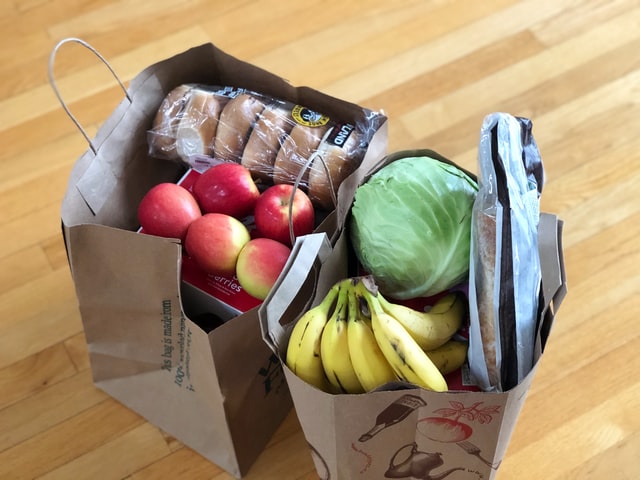
  • Select seasonal fruits and vegetables as they are widely available and less expensive, for example strawberries in summer and parsnips in winter. Find out more here.
  • Consider loose produce, for example loose apples are often cheaper than the packaged variety (See ‘How to read a label’).
  • Some supermarkets sell ‘wonky’ fruit and vegetables which are just as nutritious but vary in shape and size – so cost less.
  • Tinned fruits and vegetables are cheap and quick options to add to meals. For example, a portion of baked beans is one of your 5-a-day and a source of protein. For a healthier choice choose fruit canned in natural juice rather than syrup and vegetables canned in water without added salt.
  • Frozen fruits and vegetables can be good value and highly nutritious as the nutrients are sealed in during the freezing process. They are also pre-prepared which makes cooking quicker and easier. Try adding some to your meals, for example, add berries to your porridge or peas to your rice.
  • A small, cupped handful (30g) of dried fruit is a portion and can be added to your cereal or salad, for example raisins or apricots.
  • Visit a local allotment or community garden as they may have cheap fruits and vegetables for sale.

Cooking tips and reducing food waste

Cooking from scratch can be cheap, fun and builds your confidence! Follow these tips below:

  • Make your favourite takeaway food at home, for example curry and rice or stir fry with noodles.
  • Make homemade soups from left over vegetables.
  • Leave fruit and vegetable skins on wherever possible and suitable. If peeling is required, some peelings can be added to recipes like soups or stews.
  • Reduce your meat portions and consider having a meat free meal or day at least once per week. Replace protein sources with alternatives, for example, add chickpeas to curry or baked beans to shepherd’s pie.
  • Good value protein sources include: baked beans, tinned mixed beans, tinned chickpeas, lentils, some meat substitutes, milk, yoghurt, hummus, hens’ eggs, frozen chicken thighs, budget cuts of meat, tinned fish (especially sardines and mackerel) or frozen fish.
  • Prepare a homemade packed lunch, for example leftovers from the night before or a sandwich.
  • Have a stock of herbs and spices to add flavour to meals or side dishes. Mixed herbs are good to add to most savoury dishes.
  • Freeze excess food, such as bread and other perishables. Most foods can be frozen, so look at the packaging for guidance.
  • Consider bulk or batch cooking meals if you can (make a large amount and split into portions). Freeze or refrigerate leftovers for convenience and to save money.

Help for struggling income families

Content provided by The British Dietetic Association (BDA)

The British Dietetic Association (BDA) is the only body in the UK representing the whole of the dietetic workforce.
Published on Wed, 01 Dec 2021 10:13:30 GMT
Modified on Thu, 31 Mar 2022 14:54:39 GMT

Healthy Snacks

Featured image for Healthy Snacks

Healthy Snacks

The key to whether snacking is good or bad for you is which snacks you choose, and how much of them you eat. If you choose carefully and plan ahead, snacks can be a healthy part of your diet.

Snacks provide energy for your activities through the day and they can provide valuable nutrients such as vitamins, minerals, protein and fibre. They may also stop you overeating at the next meal by preventing you from becoming too hungry.

On the downside, some snack foods can be a source of extra fat, sugar and salt, so choose carefully and keep portion sizes sensible.

Focus on the food groups

Choose snacks from the four main food groups, try to vary which group throughout the week and if you are watching your weight limit your choices from the carbohydrate section.

Fruit and Vegetables

Many of these foods are perfectly packaged for snacking, at home or on the go and will help you reach the recommended target of 5-a-day, for example bananas, satsumas, apples or grapes. If you have a bit more time, you could try:

  • carrot, cucumber or celery sticks with cottage cheese or hummus
  • chopped melon or pineapple (tinned or fresh)
  • frozen grapes or frozen pineapple slices.

Carbohydrates – bread, rice, potatoes, pasta and other cereals

These foods fuel our body throughout the day. They are low in fat, and contain even more fibre and minerals if you choose wholegrain types.

Try these easy snack suggestions:

  • plain or fruit scone
  • small bowl of wholegrain cereal with semi-skimmed milk
  • a half sandwich or slice of toast with sliced banana and a little honey or thinly spread nut butter
  • small bag of rice cakes, or two large ones
  • half a bagel with low-fat cheese spread
  • small bag of plain or lightly salted popcorn
  • a hot-cross bun or slice of malt loaf

Protein – meat, fish, eggs and beans

Most of us eat enough of these foods at meals to meet our needs, but there are also some good options for snacks. And because foods from this group are high in protein, they may also help to keep us fuller. Here are a few ideas:

  • a small handful of nuts
  • a boiled egg
  • a tablespoon of nut and seed mix on top of low-fat yoghurt
  • hummus (look for lower-fat versions) with carrot, cucumber and celery sticks
  • slices of apple spread with nut butter

Milk and dairy

Many of us don’t get enough calcium in our diet. Snacking on these calcium rich foods can help you to reach your recommended two to three servings of dairy foods each day:

  • low-fat yoghurt or fromage frais (preferably unsweetened)
  • low-calorie hot chocolate made with semi-skimmed milk
  • cottage cheese and plain crackers
  • fruit smoothie made with semi-skimmed milk

What about crisps, chocolates and sweets?

The fifth food group is made up of foods that are high in fat and sugar and includes foods such as crisps, biscuits, chocolate and sweets. It’s fine to have a small amount of these foods occasionally; the important thing is to get the overall balance right.

If you can’t resist, try smaller portions like small bags of crisps, or fun-sized chocolate bars/bags of sweets and save them for an occasional treat. If you are unsure whether a snack you are choosing is an everyday or an occasional food, check out the food label and follow the ‘snack attack’ strategies below.

More tips:

  • Try to snack because you’re hungry, because it’s a long time between meals, or because you’re planning an exercise session – not just because the food is there.
  • Try having a drink first – we often mistake hunger for being thirsty, so have a large glass of water and if you are still hungry after ten minutes, then have a snack as well.
  • It can be easiest to start by focusing on just one ‘danger’ time of the day, say mid-afternoon or evening snacks and try one of these strategies out!

Often it’s not just a matter of knowing what choices are better – If you’re really hungry and there are no healthy snacks around, it’s very easy to eat something unhealthy instead. Make nutritious snacking easier with the following strategies:

  • At work – keep healthy snacks at your desk or in the office refrigerator. Bring a bag of fresh fruit to work each week or keep a stash of rice crackers in the desk drawer.
  • On the go – if you’re going to be out and about, take a healthy snack in your bag. An apple, rice cakes or a small bag of nuts or raisins are very portable.
  • In the shops – try to avoid buying less nutritious snacks such as crisps and biscuits, so you don’t have them tempting you while at home.
  • At home – have a bowl of fruit on display on the kitchen counter and reduced-fat and sugar yogurts in the front of the fridge and cut up sticks of vegetables, so you notice the healthy options. Keep less healthy treats out of sight.

Content provided by The British Dietetic Association (BDA)

The British Dietetic Association (BDA) is the only body in the UK representing the whole of the dietetic workforce.

Published on Wed, 01 Dec 2021 09:57:55 GMT
Modified on Thu, 31 Mar 2022 14:52:47 GMT

Getting the right balance

Featured image for Getting the right balance

Getting the right balance

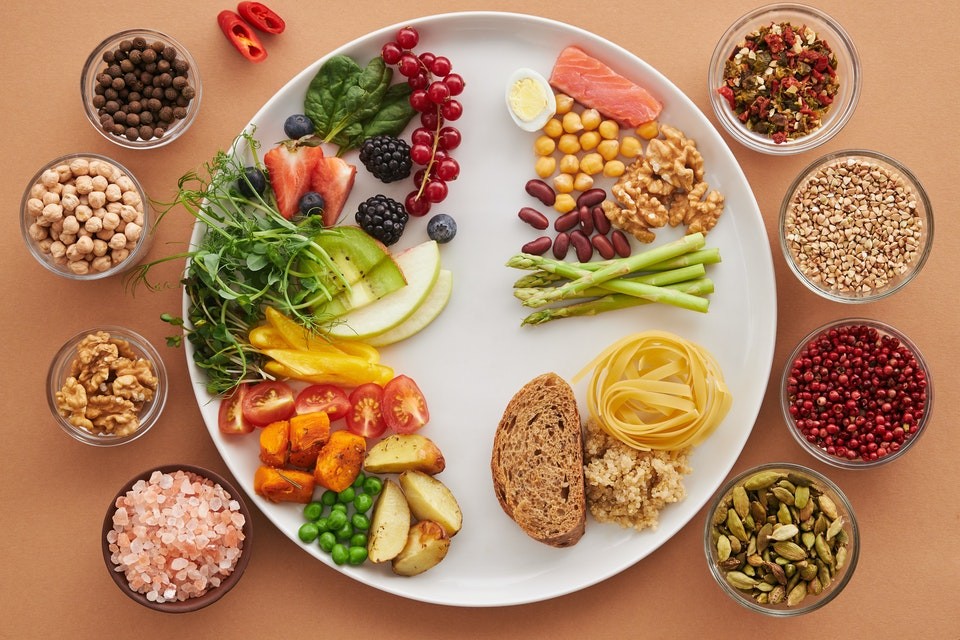
Healthy eating is about having a balance of different foods and nutrients in the diet for good health and wellbeing. It is not about ‘dieting’. It doesn’t have to be boring or difficult. Healthy eating is about enjoying your food, at the same time as being mindful about what you eat.

Carbohydrates

Carbohydrate (starch) is the body’s main energy (fuel) source. Starch is broken down to produce glucose which is used by the body for energy. 

Starchy foods are an important part of the diet. They should make up about a third of all the food that we eat. You don’t have to avoid or restrict them because they are ‘fattening’. Instead, be aware of the total amount of starch that you eat. Cutting out one food group, such as carbohydrate can cause dietary imbalance. Starchy foods include bread, potatoes, rice and pasta. Wholegrain options are healthier choices.

Fruit and Vegetables

Fruit and vegetables contain high levels of ‘micronutrients’. These include vitamins, minerals and antioxidants. Micronutrients are essential to the body’s many biochemical processes.

Fruit and vegetables are often high in fibre. They are generally low in calorie and they taste good!

The current UK guidance recommends at least five portions of different fruit and veg per day. Like carbohydrate, fruit and veg should account for about one third of what we eat, per day. Dried, frozen, tinned, as well as fresh, fruit and veg are all included. One portion of pulses (baked beans, lentils, dried peas) can also count towards your five a day. 

Protein

Protein is vital. It is the body’s main building block. Animal products such as meat, fish, eggs and dairy are good sources of dietary protein. Meat and fish also provide the body with a form of iron (haem), which is easy to absorb. Fish also contains essential fatty acids (eg. omega-3).

Protein also comes from foods of plant origin. Pulses, nuts, and seeds are all high in protein. Pulses are a very good meat alternative, whether or not you are vegetarian or vegan.

Cutting back on consumption of red meat (beef, lamb, goat, pork) especially, is better for your health and for the environment: current advice is to have no more than 300g of red meat per week. Try to avoid processed meats such as bacon, salami, hot dogs, ham. Consumption of these cured meat products has been linked to a much higher risk of certain gut cancers. 

Dairy

Dairy products (and calcium-fortified alternatives) are the body’s main source of calcium, which is necessary for the growth, development and maintenance of healthy bones and teeth. Dairy products and alternatives are also a source of protein.

Milk, cheese, cream and milk-based sauces and yoghurts can have a high saturated fat content. Fat reduced options are recommended, and small quantities.

Fats

Dietary fats have many important functions in the body. Like carbohydrate, fat provides energy or fuel (measured in calories) but is more calorie-dense (calorific) in comparison. All fats should be consumed in small quantities. All fats have the same calorie content, but they have different effects on the body, and especially, on cholesterol levels.

Saturated fats

Saturated fats can increase the level of a certain type of cholesterol, (LDL) which can build up, over time, in the arteries and blood vessels, leading to heart disease and other problems of the circulatory system.

Saturated fats are often found in high levels in fatty meat, butter, cheese, cream and in many processed foods (though not eggs or shellfish). Trans saturated (or hydrogenated) fats are another type of saturated fat. They are mainly, artificially produced and used in food manufacture.  

Try to limit your intake of all saturated fats – check food labels for details. Learn more about food labelling.

Unsaturated Fats

Unsaturated oils and spreads are the best choice of dietary fat. These are found in many vegetable oils and include olive oil, rapeseed nut and seed oils. All contain ‘good’ HDL cholesterol, which can remove the potentially harmful LDL cholesterol (found in saturated fats) from the body.  

Essential Fatty Acids (EFAs)

EFAs (such as omega-3 oils) are ‘essential’ because our bodies can’t make them and we have to obtain them from our food. EFAs are found in the skin of white fish but also in the flesh of oily fish such as fresh and tinned salmon, mackerel, sardines and fresh tuna. Advice for fish eaters is to have one portion of oily fish, and one portion of white fish per week.

EFAs can also be found in some plant oils such as flaxseed, rapeseed and soya but there is not as much in these oils as there is in fish and seafood.

Sugar

Sugar is a type of carbohydrate. Like starch, it breaks down into glucose, to provide energy for the body. ‘Free’ sugars are often added to foods during manufacture and include refined sugars such as sucrose (table sugar). This kind of sugar is also found naturally, in unsweetened fruit juices, and in syrups and honey.   

Excess consumption of free sugars is linked to the risk of obesity, type 2 diabetes and tooth decay. Many of the free sugars that we consume, are in sugary drinks. A regular can of cola for instance, can contain the equivalent of seven teaspoons of sugar (35g). The guidance about free sugar consumption suggests a daily limit of 30g. This is equivalent to six teaspoons.

The natural sugars found in milk and in whole fruits and vegetables are not free sugars and do not need to be restricted in the same way. 

Salt

High levels of salt in the diet can increase blood pressure. Most of the salt that we eat is added to processed foods. The total daily salt intake for adults should be no more than 6g per day (one tsp).

Content provided by The British Dietetic Association (BDA)

The British Dietetic Association (BDA) is the only body in the UK representing the whole of the dietetic workforce.

Published on Wed, 01 Dec 2021 09:47:06 GMT
Modified on Mon, 07 Mar 2022 09:27:39 GMT