


What are the menopause symptoms?
With over 50 associated changes, it can be hard to know what is menopause-related. Here are the most common signs:
Physical
- Menstruation changes
- Weight gain
- Brain fog
- Hot flushes and night sweats
- Low libido
Psychological
- Anxiety and stress
- Low mood, Mood swings
- Lack of confidence
- Palpitations
Cognitive
- Poor sleep
- Low energy
- Poor concentration
- Poor attention to detail
- Forgetfulness

Resources and information
Here is a taster of some of the resources available. You will be able to access even more when you become a member of OTBM Club!

Is it Menopause?
It can be hard to know if the way you are feeling is down to hormones, or something else. 1 in 100 are menopausal by the time they are 40 (NHS).
This is a visual of associated menopause signs to help you work out what’s going on.

Clinician Checklist
If you’re not feeling right and are experiencing menopause symptoms, it’s important to book an appointment to see a healthcare professional. This checklist helps you prepare and get the most out of your appointment, as well as spot any red flags.

Menopause Tracker
Tuning into psychological, physical and cognitive changes gives us a sense of agency over our menopause. This worksheet helps us spot triggers for our menopause symptoms and see how they may be inter-related.

Articles

Intimacy and Playfulness
It pleases me no end to see the menopause becoming a topic fighting its way out from the chamber of taboo subjects. Recognising that the menopause is an issue for many women and their families, is beginning to change attitudes and make this stage in life less confusing and lonely; it is becoming a shared experience. This in itself is cause for celebration.
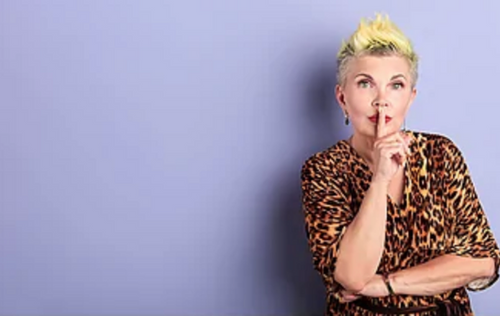
Breaking down the stigma of menopause
Historically, women’s health has been seen as ‘other’ and mysterious despite women being half of the population. In the 21st century progress is being made. We have started talking more openly about smear tests and period poverty among other topics. Another women’s health issue we need to bring to the forefront is menopause.
As a psychosexual and relationship therapist I have worked with many couples who have struggled through the menopause, not knowing why their relationship has changed or what they can do about it. One of the issues we often talk about, is the changes around intimacy and how to regain an intimate connection.
The effects of the menopause be it physical, hormonal, emotional or psychological, often all four, can cause a change to the way women think about their body and their own sexuality. It is rare to find a woman who easily glides through the menopause without experiencing some sort of change.
We might become more emotionally sensitive, and our energy could take a dive. Perhaps we become more aware of our bodies, how it feels to us and what it’s like to be touched by our partner.
On a physical level our oestrogen will be dropping resulting in the thinning of the vaginal walls and a reduced flow of natural lubricant. This causes penetrative sex to be painful. Some of my clients have described it as feeling like the vaginal walls are being rubbed with sandpaper.
With so many changes going on that directly influence our inclination for physical intimacy, it is little wonder our libido disappears, and we can feel the connection with our partner drifting away.
The intimate links to a positive sex life
We might instantly think of sex when intimacy is mentioned, but there is so much more to it than that. If we lack a psychological closeness, in other words if we find it difficult to understand one another’s opinions and actions or we feel our own are not respected, this will affect our psychological intimacy.
Similarly, if our emotions are not recognised and accepted, we will likely feel dismissed or lacking in worth to our partner.
If our lives are too busy for us to connect as partners and lovers, it could be that our physical intimacy will be lacking in meaning and volume.
These are all links to intimacy that directly affects our sex life and how we feel about one another. The natural changes of the menopause often emphasise these missing links and they tend to become clearer and likely to have more power over how we experience our connection.
I’m sure there is a book ready to be written about menopause and relationships, but for now I will talk about a snippet of it all: how to build and maintain an intimate connection during and beyond the menopause.
Developing intimacy during menopause
There are two sides to developing intimacy during the menopause: a personal nurturing side and the relationship side. Because there are a lot of information about nurturing yourself during every stage of the menopause, I have instead chosen some of the subjects my clients have found useful to explore and that will help you and your partner deepen the intimacy in your relationship.
The intimate links to a positive sex life
We might instantly think of sex when intimacy is mentioned, but there is so much more to it than that. If we lack a psychological closeness, in other words if we find it difficult to understand one another’s opinions and actions or we feel our own are not respected, this will affect our psychological intimacy. Similarly, if our emotions are not recognised and accepted, we will likely feel dismissed or lacking in worth to our partner. If our lives are too busy for us to connect as partners and lovers, it could be that our physical intimacy will be lacking in meaning and volume. These are all links to intimacy that directly affects our sex life and how we feel about one another. With the changes that come with the menopause these missing links tend to become clearer and are likely to have more power over how we experience our connection.
Menopause will be affecting your partner too
One of the reasons why the menopause has been kept a taboo subject for so long is because it’s been named a woman’s issue, men need not pay attention. But, if we think about the symptoms that we experience, it is clear that while we are the ones going through it, what we experience is bound to affect our relationship and our partner.
Find time to talk
Talking about how you both experience the menopause will help you and your partner understand and accept what it is going on for you both. Making it clear that your experience might change from one conversation to the next and that you might not know exactly what is going on. This will help to create an understanding of what is going in on your relationship.
Build a better team
Pulling together as a team will deepen your relationship and allowing yourself to be honest and open not just about your experiences but about the kind of support you need, will give your partner a chance to come on this journey with you.
Introduce moments of playfulness
Laughter and light-heartedness are some of the ingredients of a happy intimate connection with your partner. These are some suggestions that have helped some of my couples:
- Taking it is turns to choose a piece of music to play for one another. See how your conversation develops from this
- Have a regular games night. There is plenty of choice: computer games, card games, board games or maybe you already have your favourite game to play.
- Take it in turns to cook for one another. If you can’t cook, provide a surprise take-away.
- Watch a movie together. Whether it’s in the cinema or Netflix, try to watch a movie of your partner choice and visa versa.
- Spontaneously instigate a dance with your partner.
- While it can be a test during the menopause, taking a lighter view of life can bring smiles for both of you.

Foreplay begins the moment you wake in the morning
Foreplay, as I often talk about in therapy and in my writing, starts the moment you open your eyes in the morning.
I don’t mean that you have to be touching each other up or that you need to get ‘in the mood’. What I mean is this: the way we treat one another from the moment we awake and throughout the day and evening, will pave the way for how we communicate and feel about each other. Being nice to one another is the link to feeling emotionally close. Here are some suggestions:
- When you wake up, say ‘good morning’ and notice each other before you pick up your mobile phone to check what has come in overnight.
- Kiss each other goodbye, on the mouth, as you leave the house.
- Send a short, pleasant text message during the day just to say hello or I love you.
- Seeking out one another on returning home.
- Sharing the workload at home and being willing to help.
- Noticing the effort, you both put into your life together.
- Making time to be together just the two of you.
This is not the complete list, there are many more suggestions and perhaps you have your own suggestions that mean a lot to how you feel in your relationship.
Sex can be functional
If we for many years have swept the links to intimacy to one side in favour of the demands of life, we can end up with a sex life that is functional; if we are lucky, it satisfies a physical need but that is about all. Having an enjoyable sex life takes time, energy and willingness to talk and have fun together.
The menopause brings an extra aspect to physical intimacy; with a decrease in oestrogen in a woman’s body, comes thinning of the vaginal walls and a decrease in the natural lubrication. Consequently, penetrative sex becomes less enjoyable and for many, painful. A client once told me that penetration was like having her vagina rubbed with sandpaper.
If this resonates with you, then seeing your doctor to get a hormonal vaginal cream, will help enormously with this aspect, but I’m guessing you want more than just the ability to have penetrative sex.
Make intimacy something to rediscover
If any or all of what I have mentioned so far resonates with you, the menopause will likely highlight this as our sensitivity increase and we as women begin to rediscover ourselves and our needs. This increased sense doesn’t have to be a bad thing, it can be a prompt to rediscover your relationship and to build something that is fun and nurturing for you both.
Perhaps you by now are thinking that your partner won’t be interested. Well, I wouldn’t be so certain. When working with couples, I frequently hear partners say that they too have been missing the connection that they used to feel when they first met. Now might be the time to start the conversation and see where it might lead.
So, these are my suggestions:
1. Begin by setting time aside to be together.
This is a time where the two of you can talk and explore with curiosity, how you experience intimacy, the effect of the menopause and what you would might like to change. This is usually a time when couples begin to express unfulfilled needs and that is ok too, though try to talk about our wishes rather than your disappointments. Wishes you can work with, disappointments tend to spark blame and defensiveness.
Imagine having a conversation where your partner is accepting of your experiences without having to take them on as theirs to sort out. Expressing understanding and a willingness to know more about one another, without needing to agree or to blame. This is some of the most non-confrontational and sensual ways of communicating.
2. Connect physically on a regular basis.
Hugs and tactility can be incredibly nurturing. A touch on a shoulder or an arm around a waist, maybe a kiss as you pass each other in the corridor or kitchen. Perhaps a foot massage, one of my favourites. These small gestures can do magic for turning up the intensity of your connection.
Making an appointment with one another, or if you prefer, plan a time each week when you can make space for nurturing your intimate connection. Here is how:
3. Sex can be fulfilling without penetration.
Non-penetrative sex is not a requirement, though it can be a wonderful experience and very enjoyable. Removing the pressure to perform penetrative sex or even to have an orgasm, can ironically ease the way to developing a more intense physical intimacy. Imagine being free to enjoy one another’s nakedness, without feeling the need to sexually satisfy or to reach an orgasm. What would that be like?
Touching, stroking, kissing and exploring one another’s bodies, I don’t mean just the sexual organs, but the whole body giving each part the same attention: try giving a head massage, stroke the ear lopes, kiss the inside of the elbows, and so on. And, while doing this notice what it’s like and how our partner reacts to the touch. This can spark many giggles and soften the connection between you.
It may be that a man gets physically aroused. Being prepared for this and knowing that an erection doesn’t have to control the intimacy shared, might be quite a relief. The focus doesn’t have to be on stimulation to orgasm.
Many women, while enjoying sex, reports that for them it is the physical closeness that is most important, not the penetration or the orgasm. This view and need seem to increase with the menopause. In my experience working with couples, there are many men who have similar feelings. For them it is ok to self-satisfy if they feel the need, as long as they are able to have a physical connection.

Is this Christmas a time for you to reconnect?
So, this Christmas might be the perfect time to seek out the first steps to building a stronger intimate connection between you.
- Notice and enjoy the small moments of emotional, physical or psychological connection throughout the day and evening
- Find regular time to connect and make it a regular event
- Try feeling good about just touching without paying specific attention to sexual satisfaction
- Be patient with each other, developing intimacy take time.
If all else fails, psychosexual and relationship therapy will help you to create a deeper connection. I can recommend looking at qualified therapists on COSRT, the member association for Psychosexual and Relationship Therapists.
Wishing you a very happy Christmas and an intimate New Year.
Content provided by Over The Bloody Moon.
© Over The Bloody Moon. All rights reserved. No part of this publication may be reproduced, distributed, or transmitted in any form or by any means.
Published on Tue, 14 Dec 2021 15:31:05 GMT
Modified on Tue, 14 Dec 2021 15:57:38 GMT
Menopause, alongside menstruation, has often been used as the punchline to jokes and a way to humiliate and degrade women. While hormonal changes might be funny to some, they are normal bodily changes that most women have to experience. Unfortunately, they can come with some difficult side effects that women should be supported through, not made fun of for. This is not new and it is an issue around the world. Did you know in Arabic the word menopause means Age of Despair and in some Asian countries, there is no word for menopause?
Clearly menopause is still a taboo topic. It shouldn’t be. It is a natural change that a lot of women go through and they all deserve support as they do so. The stigma that shrouds menopause in secrecy is having a negative impact on everyone.
The common knowledge of menopause is fairly patchy. Most people know it’s when a woman no longer gets her period. Some might know that hot flushes are a symptom. But knowledge beyond that is lacking even though accurate information is necessary for women to be able to deal with menopause in the first place.
Menopause isn’t a silent change. According to Engender, ‘Up to 65% of women in UK experience menopause transition symptoms, up to 45% find them distressing and around 10% report them as severe’.
Experiencing bodily and emotional changes without knowing the reason behind it is scary. Without being able to join up the dots women can’t get the help they need to deal with this period of their life as easily as they can do. Facts are empowering and right now not enough women know them, never mind the other people in their life that should be supporting them through this time. This knowledge gap has an extremely negative impact.
Menopause is not a woman’s personal issue because it affects all aspects of her life. That’s how she interacts with her family and friends, how she behaves at work and her health. Even small changes like diet and exercise can make a massive difference. Ignoring menopause doesn’t benefit anyone. With open conversation, those experiencing menopause and those around them can put their best foot forward.
A lot of the shame around menopause is caused by negative attitudes towards women. Their objectification means when they are older and no longer fertile, they are seen as less valuable and are instead ‘washed up’. Menopause shouldn’t be seen as the end for women. Women should be just as respected as they were before.
Talking about it to gain support and simply be understood by other women with similar experiences can make a real difference. However, ‘a third cited embarrassment or difficulties in discussing the menopause with their employers and one in five mentioned criticism and even harassment from their Managers’. If we can overcome the negativity surrounding menopause, women can get the support they need and have a much better experience of menopause. The stigma and fear even seeps into medical consultations. A national poll found ‘Nearly half of all women over 50 experience urinary incontinence, but two-thirds haven’t talked to their doctor about it.’
Unless we take action to break down the stigma around menopause those going through it will continue to suffer necessarily in silence and in shame. An inclusive environment where menopausal women are listened to is essential. Remember going through menopause is nothing to be ashamed of.
Lesley Salem, founder of Over The Bloody Moon is on a mission to remove the stigma and muddle from menopause. Spurred on by her own poor mental health triggered by perimenopause, she’s seen first-hand the impact of not being able to have those difficult conversations with colleagues.
Only by sharing experiences can we learn how to support ourselves and each other. Only when we normalise menopause and other transitions and trauma of life can we truly create a cultural shift.
Those who may be in a vulnerable state find it hard to speak out so making menopause events, training and support available can help reduce the chances of women leaving the workplace and start to truly show we really want gender parity. Menopause is not the end for women. It is a new beginning.
Content provided by Over The Bloody Moon.
© Over The Bloody Moon. All rights reserved. No part of this publication may be reproduced, distributed, or transmitted in any form or by any means.
Published on Tue, 14 Dec 2021 15:07:37 GMT
Modified on Wed, 05 Jan 2022 11:55:33 GMT

Good health in the pelvic area requires a multifaceted approach.
Mental stress from women’s demanding lives (juggling a career, caring for ageing parents, navigating relationships, and parenting for some) also creates body stress. The more mental stress we experience, the lower our sex hormones impacting on libido but also pelvic health. Exercise can be another cause for pelvic health issues such as doing too little exercise or too much of the wrong type of exercise. This can put strain on the pelvic floor. And don’t underestimate the importance of diet. Not keeping hydrated, a diet low in fibre or eating processed foods, all can create constipation which is a major cause for incontinence. In addition, eating a low fat diet coupled with fluctuating hormone levels spikes levels of stress which may exacerbate symptoms. Previous pelvic health issues such as post childbirth injuries, 3rd degree tears, prolapse and faecal incontinence can also be exacerbated. No surprise then that 60% women will experience pelvic health issues post menopause.
Early warning signs
Symptoms may begin with fluctuating hormones in perimenopause (2 to 10 years before menopause), such as a relative reduction in progesterone, resulting in poor sleep, anxiety and aches and pains or oestrogen dominance resulting in hot flushes, breast tenderness, anxiety, and weight gain. This can be followed by oestrogen depletion as menopause ( ie 365 days after your last period) comes closer, causing vaginal dryness, atrophy ( thinning of the tissues), bladder irritation and incontinence, as well as a reduction in testosterone affecting libido and comfort during sex amongst other symptoms such as energy, bone density and muscle mass.
Good pelvic health requires attention, not only to your pelvic floor muscles but also to your sleep habits, mental health and stress management. It requires joyful connection with nature, friends and family. The good news is that through lifestyle choices, we can influence the health of our pelvis – healthy eating including protein, fibre, good fat, good carbohydrates, and supportive supplements plus exercise/build up to exercise as appropriate.
Seeking help
Many women put up with leaking urine when they sneeze or cough or deal with it by popping a pad in their knickers but issues now will likely worsen in our senior years. With specialist support, such as a women’s health physiotherapist, available on NHS or privately, in many cases, we can improve our pelvic health – in both the now and for our later years.
An integrative Pelvic Health physio will evaluate all of the above plus check for symptoms of pelvic organ prolapse, urinary frequency and urgency incontinence, cystitis, bladder or pelvic pain, stress urinary incontinence, prolapse pain with intercourse (dyspareunia) , constipation and faecal incontinence. A pelvic physio will evaluate your pelvic floor and teach breath coordination and pelvic floor training, including down-training if you have an overactive pelvic floor. You will be taught pressure management strategies, correct lifting techniques, as well as sleep hygiene, stress management, healthy eating and movement to complement your exercise needs and hormone balance.
Invictus Pelvic Health
Hi I am Nicky Travlos, founder of Invictus Pelvic Health. I use my expertise to work with Women who are struggling to juggle family, work and health and who are suffering from bladder and bowel and hormone issues, such as constipation, incontinence, prolapse, pain with intercourse and body aches and pains. I enjoy working with women to restore confidence in themselves, their bodies and their pelvic floor and use an integrative and holistic approach to improve their self care, lifestyles , energy levels, exercise regimes and bladder and bowel health. To sign up to an online course by Nicky, visit the website.
Content provided by Over The Bloody Moon.
© Over The Bloody Moon. All rights reserved. No part of this publication may be reproduced, distributed, or transmitted in any form or by any means.
Published on Tue, 14 Dec 2021 15:10:55 GMT
Modified on Wed, 05 Jan 2022 11:48:50 GMT
Content provided by Over The Bloody Moon.
© Over The Bloody Moon. All rights reserved. No part of this publication may be reproduced, distributed, or transmitted in any form or by any means.
Published on Tue, 14 Dec 2021 17:04:34 GMT
Modified on Mon, 04 Dec 2023 12:39:48 GMT