Cervical screening

Featured image for Cervical screening

Cervical screening

It is important to check the health of your cervix by going for regular cervical screening. Here you can find the answers to some of your questions about why cervical screening is offered, what will happen at your appointment and receiving your results.

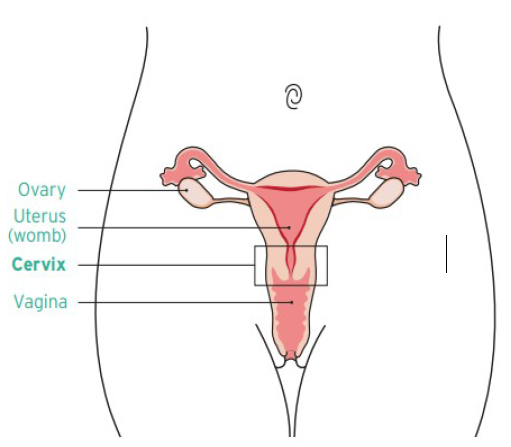
Cervical screening (a smear test) checks the health of your cervix. The cervix is the opening to your womb from your vagina.

It’s not a test for cancer, it’s a test to help prevent cancer.

All women and people with a cervix aged 25 to 64 should be invited by letter.

Diagram of anatomy of female reproductive system including ovaries, uterus, cervix and vagina

How to book

You’ll be sent an invitation letter in the post when it’s time to book your cervical screening appointment.

Your letter will tell you where you can go for cervical screening and how to book.

Most cervical screening is done in a GP surgery by a female nurse or doctor.

In some parts of England, you may be able to go to a local sexual health clinic instead.

Call your GP surgery to book an appointment with them. You might be able to book the appointment online.

If you do not have a letter:

Call your GP surgery to book an appointment if you think you need cervical screening but:

  • you have not been sent a letter
  • you have lost the letter

If you’re not registered with a GP:

You’ll still get a letter.

To book a cervical screening appointment, you can:

Try to book your appointment as soon as you get invited. If you missed your last cervical screening, you do not need to wait for a letter.

Read more about booking your smear appointment.

What happens at the appointment

During cervical screening a small sample of cells is taken from your cervix for testing.

The test itself should take less than 5 minutes. The whole appointment should take about 10 minutes.

It’s usually done by a female nurse or doctor.

Before starting, they should explain what will happen during the test and answer any questions you have.

You’re in control of the screening and can ask the nurse to stop at any time.

How cervical screening is done

  1. You’ll need to undress, behind a screen, from the waist down. You’ll be given a sheet to put over you.
  2. The nurse will ask you to lie back on a bed, usually with your legs bent, feet together and knees apart. Sometimes you may need to change position during the test.
  3. They’ll gently put a smooth, tube-shaped tool (a speculum) into your vagina. A small amount of lubricant may be used.
  4. The nurse will open the speculum so they can see your cervix.
  5. Using a soft brush, they’ll take a small sample of cells from your cervix.
  6. The nurse will close and remove the speculum and leave you to get dressed.
smiling doctor

Things to look out for after cervical screening

You may have some spotting or light bleeding after your cervical screening test.

This is very common and should go away after a few hours.

Non-urgent advice:

  • heavy bleeding after cervical screening
  • any bleeding after cervical screening that does not stop after a few hours

Results

Your cervical screening results are usually sent to you in a letter. Sometimes you may be asked to call your GP to get the results.

Try not to worry if it is taking a long time to get your results letter. It does not mean anything is wrong, and most people will have a normal result.

What your results mean

Your results letter will explain what was tested for and what your results mean.

Sometimes you’ll be asked to come back in 3 months to have the test again. This does not mean there’s anything wrong, it’s because the results were unclear. This is sometimes called an inadequate result.

Human papillomavirus (HPV) is not found in your sample:

Most people will not have HPV (an HPV negative result).

This means your risk of getting cervical cancer is very low. You do not need any further tests to check for abnormal cervical cells, even if you have had these in the past.

You’ll be invited for screening again in 3 or 5 years.

HPV is found in your sample:

Your results letter will explain what will happen next if HPV is found in your sample (an HPV positive result).

You may need:

  • another cervical screening test in 1 year
  • a different test to look at your cervix (a colposcopy)

There are 2 different kinds of HPV positive result:

Result What it means
HPV found (HPV positive) but no abnormal cells You’ll be invited for screening in 1 year and again in 2 years if you still have HPV. If you still have HPV after 3 years, you may need to have a colposcopy.
HPV found (HPV positive) and abnormal cells You’ll be asked to have a colposcopy.

HPV is a common virus and most people will get it at some point. You can get it through any kind of sexual contact.

Having a positive HPV result does not mean your partner has had sex with someone else while you have been together.

You might have HPV even if you have not been sexually active or not had a new partner for many years.

If you need a colposcopy

A colposcopy is a simple procedure to look at your cervix.

It’s similar to having cervical screening, but it’s done in hospital.

You might need a colposcopy if your results show changes to the cells of your cervix.

Try not to worry if you have been referred for a colposcopy.

Any changes to your cells will not get worse while you’re waiting for your appointment.

Coronavirus (COVID-19) update: how to contact a GP

It’s still important to get help from a GP if you need it. To contact your GP surgery:

  • visit their website
  • use the NHS App
  • call them

Find out about using the NHS during COVID-19

Content provided by NHS.uk

Find information and advice on health conditions, symptoms, healthy living, medicines and how to get help.

Published on Wed, 22 Dec 2021 15:01:04 GMT
Modified on Thu, 11 May 2023 10:51:11 GMT

Learning Disability Support

Featured image for Learning Disability Support

Learning Disability Support

Regardless of your struggles with learning disabilities, there are support groups and charities to help with all sorts of conditions and in many ways.

Living with a learning disability or caring for someone with one can pose many daily challenges.

There is plenty of support out there to help you, your family and friends learn more about conditions and get support and advice when needed

Angelman UK logo

Angelman UK

AngelmanUK is a United Kingdom-based support group. The trustees are all volunteers with direct experience of Angelman Syndrome either as parents or relatives of children or adults with AS.

National autistic society logo

National Autistic Society

The National Autistic Society exists to champion the rights and interests of all people with Autism and to ensure that they and their families receive quality services appropriate to their needs.

SOFT logo

S.O.F.T UK

S.O.F.T UK provides support for families affected by Patau’s Syndrome (Trisomy 13), Edward’s Syndrome (Trisomy 18), Partial Trisomy, Mosaicism, Rings, Translocation, Deletion, and related Disorders.

Down's Syndrome logo

Down’s Syndrome

The only organisation in this country focusing solely on all aspects of living successfully with Down’s Syndrome, their families and carers, as well as being a resource for interested professionals.

Fragile X logo

Fragile X

Fragile X provides information and practical guidance to support and empower individuals and families living with Fragile X Syndrome and educate the public and professionals about Fragile X.

Turner Syndrome Support Society logo

Turner Syndrome Support Society

The Society Provides accurate and up-to-date information on Turner Syndrome and the many aspects of living with the condition on a daily basis.

Prader-Willi Syndrome logo

Prader-Willi Syndrome Association

A Registered Charity and the only organisation in the UK which is dedicated to supporting people with Prader-Willi Syndrome (PWS), their families, carers, and the professionals who work with them.

Content provided by NHS.uk

Find information and advice on health conditions, symptoms, healthy living, medicines and how to get help.

Published on Fri, 17 Dec 2021 12:05:30 GMT
Modified on Thu, 07 Jul 2022 17:00:57 GMT

How to access healthcare in England if you are visiting from abroad

Featured image for How to access healthcare in England if you are visiting from abroad

How to access healthcare in England if you are visiting from abroad

This information is for people who are visiting England from abroad. It tells you how to access different types of healthcare and whether you might need to pay.

Find out how to access healthcare, including planned treatment, in Wales, Northern Ireland or Scotland.

Coronavirus (COVID-19) update 

Overseas visitors to England, including anyone living in the UK without permission, will not be charged for:

  • testing for coronavirus (even if the test shows you do not have coronavirus)
  • treatment for coronavirus – including for a related problem that affects some children called multisystem inflammatory syndrome
  • vaccination against coronavirus

No immigration checks are needed. 

See GOV.UK: NHS entitlements for migrants for information in other languages.

How to get healthcare

If you’re not sure how to get the help you need, use this checklist to guide you.

  • Call NHS 111 if you urgently need medical help or advice but it’s not a life-threatening situation. You can also call NHS 111 if you’re not sure which NHS service you need.
  • Call 999 if someone is seriously ill or injured and their life is at risk.
  • Go to a walk-in centre, minor injuries unit or urgent treatment centre, if you have a minor illness or injury (cuts, sprains or rashes) and it cannot wait until your GP surgery is open.
  • Ask a local pharmacist for advice – a pharmacist can give you advice about many common minor illnesses, such as diarrhoea, minor infections, headaches, sore throats, or travel health.
  • Make an appointment with your GP if you’re feeling unwell and it’s not an emergency.

For information about conditions and treatments, read the Health A-Z guides.

You will need to pay for some things such as eye tests, dental treatment and prescriptions, just like people who live in England.

Find out more about paying NHS charges

Moving to England from outside the European Economic Area (EEA)

The NHS operates a residence-based healthcare system.

View more

Registering with a doctor

Anyone in England can register with a GP surgery. It's free to register.

View more

Back to the top

General practitioners (GPs)

GPs are the first point of contact for nearly all NHS patients.

They can direct you to other NHS services and are experts in family medicine, preventative care, health education, and treating people with multiple and long-term conditions.

If you’re planning to live and work in England, you need to register with a GP practice.

You’ll need to fill out a GMS1 form using exactly the same details you used when you filled out your visa.

It’s up to the GP practice to decide whether to accept new patients or not, but they can only refuse for non-discriminatory reasons.

But being registered with a GP practice does not in itself mean you’ll be entitled to free NHS hospital treatment.

Being registered with a GP practice may mean you’re invited for NHS screening services, but you may still have to pay for these services when they’re not provided by the GP practice.

If you’re in England for a short visit but need to see a GP, you can register as a temporary patient with a local doctor.

You need to be in the area for more than 24 hours but less than 3 months.

Again, it’s up to the GP practice to decide whether or not they’ll accept new patients.

Treatment will be free of charge, but make sure you present your European Health Insurance Card (EHIC) if you have one (see more information on this page for EU citizens).

📍 Find a GP practice in your area

Download a copy of It’s your practice: a patient guide to GP services (PDF, 1.92Mb), which is produced by the Royal College of General Practitioners, to help you choose, and get the most from, GP practices.

Back to the top

Hospital services

Hospital treatment is free to people who are “ordinarily resident” in the UK.

To be considered ordinarily resident and entitled to free hospital treatment, you must be living in the UK on a lawful and properly settled basis for the time being. You may be asked to prove this.

You cannot be considered ordinarily resident in the UK unless you have indefinite leave to remain or status under the EU Settlement Scheme.

If you’re a visitor from the EU, even if you’re a former UK resident, you can use your EHIC, PRC or S2 when visiting the UK. If you cannot provide these documents, you may be charged for your care.

If you’re a visitor from Norway, you can get medically necessary healthcare using your Norwegian passport.

If you’re a visitor from Norway, Iceland, Liechtenstein or Switzerland whose visit to the UK began on or before 31 December 2020, you may continue to use your EHIC or PRC in the UK for the duration of your visit. You also may complete planned treatment using your S2, as long as authorisation for this was requested from the relevant health authority before 31 December 2020.

If you’re visiting from Iceland, Liechtenstein or Switzerland you may be charged for NHS healthcare. You should check with the relevant health authority where you live before travelling to the UK.

If you’re visiting England for more than 6 months, you’ll need to pay the immigration health surcharge, unless you’re exempt from paying it. The full amount will be paid upfront for the duration of your visa.

You can find full details about healthcare surcharges, including exemptions, on GOV.UK

If you’ve paid the surcharge or are exempt from paying it, and your visa allows you to be here for more than 6 months, you’ll be entitled to free NHS hospital treatment in England on a similar basis to an ordinarily resident person, with the exception of NHS-funded assisted conception services. Your entitlement will apply from the date your visa is granted until it expires. You’ll have to pay some charges, such as prescription or dental charges.

If you’re visiting England for less than 6 months, you should ensure you’re covered for healthcare through personal medical insurance during your visit, even if you’re a former UK resident. If you’re not ordinarily resident in the UK and you need to pay for NHS hospital treatment, you’ll be charged at 150% of the national NHS rate. 

Services that are free to everyone

Some services or treatments carried out in an NHS hospital are exempt from charges, so they’re free to all.

These include:

  • a GP referral is required for all non-emergency hospital treatment
  • for a detailed definition about what ordinarily resident means, see the GOV.UK guidance

Read more about hospital services in England or find a hospital in your area.

Back to the top

Featured image for Moving to England from outside the European Economic Area (EEA)

Moving to England from outside the European Economic Area (EEA)

The NHS operates a residence-based healthcare system.

The NHS operates a residence-based healthcare system.

Most NHS services operates a residence-based healthcare system. Most NHS services are free to people who are ordinarily resident in the UK.

Being ordinarily resident is not dependent on nationality, payment of UK taxes, National Insurance (NI) contributions, being registered with a GP, having an NHS Number or owning property in the UK.

Ordinarily resident means living in the UK on a lawful and properly settled basis for the time being, and you’ll be asked to prove this.

Find out more about moving to England from EU countries or Norway, Iceland, Liechtenstein or Switzerland

Indefinite leave to remain (ILR)

If you’re subject to immigration control, you can only be considered ordinarily resident if you’ve been given the immigration status of indefinite leave to remain (the right to live here on a permanent basis).

But if you’re a family member of an EEA national who’s resident in the UK, you may not be subject to immigration control, even though you yourself are from outside the EEA.

Visit GOV.UK for more information about applying to join family living permanently in the UK

Family members of people of Northern Ireland

If you have a family member who is an eligible person of Northern Ireland and who lives in the UK, you may be able to join that person in the UK without paying the immigration health surcharge.

See GOV.UK for a definition of an eligible person of Northern Ireland

Otherwise you may be eligible to apply for pre-settled or settled status under the EU Settlement Scheme on the basis of that relationship. Once you have either pre-settled or settled status you will not be charged for your healthcare, as long as you live in the UK on a properly settled basis for the time being.

GOV.UK has more information about applying to join family living permanently in the UK

Immigration health surcharge

If you’re coming to the UK on a temporary stay of more than 6 months, you may be required to pay an immigration health surcharge at the time of your visa application.

The standard surcharge fee is:

  • £470 per year per person for students and each of their dependants
  • £624 per year per person for everyone else

The full amount will be paid upfront for the duration of your visa.

There are circumstances when you do not have to pay the surcharge, such as if you’re the dependant of a member of the forces who is not subject to immigration control.

You can find full details about healthcare surcharges, including exemptions, on GOV.UK

If you’ve paid the surcharge or were exempt from paying it, and your visa allows you to be here for more than 6 months, you’ll be entitled to free NHS hospital treatment in England on a similar basis to an ordinarily resident person.

This will apply from the date your visa is granted until it expires.

But any new course of treatment for NHS-funded assisted conception services will not be free to surcharge payers (or people exempt from paying it), unless another exemption applies.

If your visa is curtailed or ended earlier than planned by the Home Office, you can be charged for any further NHS hospital treatment from that date on, even if you have paid the surcharge.

You’ll also have to pay for any chargeable treatment you received before the start date of your visa.

If you apply for an extension of your visa, you might also have to pay a further surcharge.

If you apply for, and are granted, indefinite leave to remain, you will not have to pay the surcharge.

Paying the surcharge only gives you access to services the NHS provides. Paying the surcharge does not mean you’re treated faster.

Doctors will assess the urgency of your condition in the same way ordinarily resident patients are assessed and, if necessary, you’ll be placed on a waiting list.

Patients in England are required to make contributions towards the cost of their NHS care, such as paying prescription costs or dental charges. You’re required to make the same contributions.

Find out more about paying NHS charges

If you’re coming to England for 6 months or less or did not pay the surcharge when you were required to, you’ll be charged for certain NHS services unless an exemption applies.

More information for visitors from outside the EEA

Visas applied for before 6 April 2015

The surcharge was introduced on 6 April 2015. If you’re in the UK now but applied for your visa before that date, you may still be eligible for free NHS hospital treatment in England on the same basis as someone who’s ordinarily resident.

The following must apply to you:

  • you applied for a visa to come to the UK, or to stay in the UK, for more than 6 months before 6 April 2015
  • your visa application was approved and your visa has not expired
  • you’re in the UK now
  • if you applied for your visa after 6 April 2015, you would have had to pay the surcharge, or you would have fallen into one of the exemption categories

If the bullet points apply to you, your care is covered from the date your visa is granted until it expires.

But if your visa is curtailed or ended earlier than planned by the Home Office, you’ll become chargeable for any further NHS healthcare from that date onwards.

If you then wish to apply for a further period of leave to remain, you’ll have to pay the surcharge, unless you fall into one of the exemption categories.

If you wish to apply for, and are granted, indefinite leave to remain, you do not have to pay the surcharge.

Children born in the UK to those here lawfully for more than 6 months

If you give birth to a child in the UK, your child will be entitled to free NHS hospital treatment in England on the same basis as someone who’s ordinarily resident up to 3 months of age, but only if they remain in the UK during that period.

You’ll also need to meet one of these criteria:

  • you have a valid visa of more than 6 months and paid the surcharge for that visa
  • you have a valid visa of more than 6 months, but were exempt from paying the surcharge
  • you have a valid visa of more than 6 months, which you applied for prior to 6 April 2015

You should apply for a visa for your child during the 3-month period after your child’s birth.

If required, you may have to pay the surcharge for your child. Failure to do so means you may be charged for NHS services provided for your child after the 3-month period.

Content provided by NHS.uk

Find information and advice on health conditions, symptoms, healthy living, medicines and how to get help.

Published on Thu, 16 Dec 2021 15:37:33 GMT
Modified on Fri, 17 Dec 2021 16:43:47 GMT

Featured image for Registering with a doctor

Registering with a doctor

Anyone in England can register with a GP surgery. It's free to register.

You do not need proof of address or immigration status, ID or an NHS number.

You might be able to register with a GP surgery that’s not in the area you live. Find out about registering with a GP surgery out of your area

GP surgeries are usually the first contact if you have a health problem. They can treat many conditions and give health advice. They can also refer you to other NHS services.

Registering with a GP

Find a GP that suits what you need. Some GP surgeries offer more services than others. You can look up GP surgeries to see what they offer and how they compare.

Because of coronavirus (COVID-19), try to avoid going into a GP surgery to register.

You can:

  • check the GP surgery website to see if you can register online
  • call or email the GP surgery and ask to be registered as a patient

You can download a GMS1 registration form on GOV.UK if you’re asked to complete one.

You do not need proof of ID to register with a GP, but it might help of you have one or more of the following:

  • passport
  • birth certificate
  • HC2 certificate
  • rough sleepers’ identity badge
  • hostel or accommodation registration or mail forwarding letter

If you’re homeless, you can give a temporary address, such as a friend’s address, a day centre or the GP surgery address.

If you need to help registering with a GP surgery

If you need help registering or filling in forms, call the GP surgery and let them know.

You could also ask for help from:

  • local organisations – for example if you’re homeless you could ask a centre that supports homeless people
  • Citizens Advice
  • your local Healthwatch

Can a GP surgery refuse to register me?

A GP surgery can refuse to register you because:

  • they are not taking any new patients
  • you live outside the practice boundary and they are not accepting patients from out of their area
  • you have been removed from that GP surgery register before
  • it’s a long way from your home and you need extra care, for example home visits

If you have problems registering with a GP surgery:

  • they are not taking any new patients
  • call the NHS England Customer Contact Centre on 0300 311 22 33
  • contact your local Healthwatch

Changing GP surgeries

You can change your GP surgery if you need to.

This might be because:

  • you have moved
  • you have had problems with your current practice
  • you were removed from the patient list

You should tell the GP surgery if you change address or move out of the area.

Using a GP surgery you’re not registered with

You can contact any GP surgery if you need treatment and:

  • you’re away from home
  • you’re not registered with a GP surgery
  • it’s a medical emergency

You might need to register as a temporary resident or permanent patient if you need treatment for more than 14 days.

You can register as a temporary resident for up to 3 months. You’ll still be registered with your usual GP surgery if you have one.

Registering with a GP under the Mental Capacity Act

The Mental Capacity Act (MCA) is designed to protect and empower people over 16 who are unable to make decisions about their care and treatment.

If a person is unable to register with a GP because they cannot make decisions about their care, registration can be done by:

  • a relative
  • the main carer
  • a lasting power of attorney
  • a person appointed by a court under the Mental Capacity Act

GP registration for students

If you have moved to Liverpool for your studies, make sure you register with a local GP.

View more

Liverpool University

Content provided by NHS.uk

Find information and advice on health conditions, symptoms, healthy living, medicines and how to get help.

Published on Thu, 16 Dec 2021 14:49:49 GMT
Modified on Wed, 25 May 2022 15:50:54 GMT

Content provided by NHS.uk

Find information and advice on health conditions, symptoms, healthy living, medicines and how to get help.

Published on Thu, 16 Dec 2021 16:08:33 GMT
Modified on Wed, 25 May 2022 15:46:15 GMT

Dental Health

Featured image for Dental Health

Dental Health

Teeth are vital to our overall health and it is important to know how to take care of them. Follow this advice to keep your teeth and mouth healthy by brushing them with fluoride toothpaste twice a day and being aware of the impact your lifestyle choices can have on your oral health

By the age of 12 to 14, most children have lost all their baby teeth and have their adult teeth.

There are 32 adult teeth in total – 12 more than in the baby set. The last 4 of these, called wisdom teeth, usually emerge later than the others, generally between the ages of 17 and 21.

Wisdom teeth that don’t come through properly, or at all, can be painful and may need to be removed.

Lifestyle tips of healthy teeth

Taking care of your general health and your mouth is the key to making the most of your smile.

Brushing your teeth twice a day (last thing at night before you go to bed and on 1 other occasion) with fluoride toothpaste and having regular check-ups with a dentist can help to keep your teeth healthy.

Diet, smoking and drinking alcohol also have an effect on dental health.

A healthy diet is good for your teeth

What you eat and drink can cause tooth decay, so a healthy diet is important for your teeth.

A balanced diet includes plenty of fruit and vegetables, as well as starchy foods, such as bread, rice, potatoes and pasta (choose wholegrain versions and eat potatoes with their skin where possible).

You should also eat sources of protein, such as meat, fish, eggs, beans or other non-dairy sources of protein, and some milk and dairy foods (ideally lower fat options).

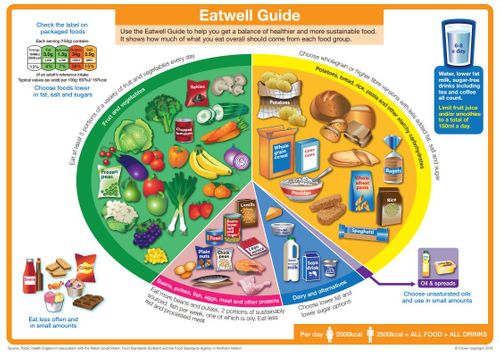
Only eat small amounts of food and drinks high in fat and sugar. The Eatwell Guide shows how the different types of food should make up your diet.

woman biting an apple

Reduce sugar to prevent tooth decay

Limiting the amount of sugar you eat and drink is important to prevent tooth decay.

A lot of the sugars we eat and drink are in food and drinks such as:

  • sweets, chocolate, cakes and biscuits
  • sugary drinks, including soft drinks, fizzy drinks, milky drinks with added sugar, and alcohol
  • fruit juice, including unsweetened fresh fruit juice and smoothies
  • buns, pastries and fruit pies
  • sponge puddings and other puddings
  • table sugar added to food or drinks, such as tea
  • sugary breakfast cereals
  • jams, marmalades, honey and syrups
  • ice cream and sorbets
  • dried fruit or fruit in syrup
  • syrups and sweet sauces

Stick to 1 glass of fruit juice or smoothie a day

Sugars occur naturally in foods such as fruit and milk, but we don’t need to cut down on these types of sugars.

But when fruit is juiced or blended, as in smoothies, the sugars are released from the structure of the fruit.

Once released, these sugars can damage your teeth, so it’s best to drink fruit juice or smoothies at mealtimes.

Your combined total of drinks from fruit juice, vegetable juice and smoothies shouldn’t be more than 150ml a day, which is a small glass.

For example, if you have 150ml of orange juice and a 150ml smoothie in 1 day, you’ll have exceeded the recommendation by 150ml.

Foods and drinks can stain your teeth

Wine, cigarette smoke, tea and coffee are all teeth-staining culprits. Keep them to a minimum to stop your teeth becoming stained.

Your dentist or hygienist can give your teeth a professional clean, which may help reduce the staining.

If you want to find out about other options, such as teeth whitening, have a chat with your dentist.

How smoking damages teeth

Smoking can stain your teeth yellow, cause bad breath, and increases your risk of gum disease, as well as causing many other serious health problems.

Alcohol and oral health

Alcohol can also erode the outer surface of the teeth, leading to a loss of enamel. If this happens, you may need to go to the dentist for a filling.

Drinking too much has also been linked to an increased risk of developing mouth cancer.

The most important risk factors for mouth cancer are the combined effect of smoking and drinking alcohol.

It’s estimated that heavy drinkers and smokers have a 38 times increased risk of developing mouth cancer than people who neither drink nor smoke.

More advice:

Why is sugar bad for your teeth?

Read More

How can I cut down on sugar?

Read More

Ideas for healthy drinks that won’t harm your teeth

Read More

Get advice on how to stop smoking

Read More

Get tips on how to cut down your drinking

Read More

Answers to common dental health problems

Read More

How to keep your teeth clean

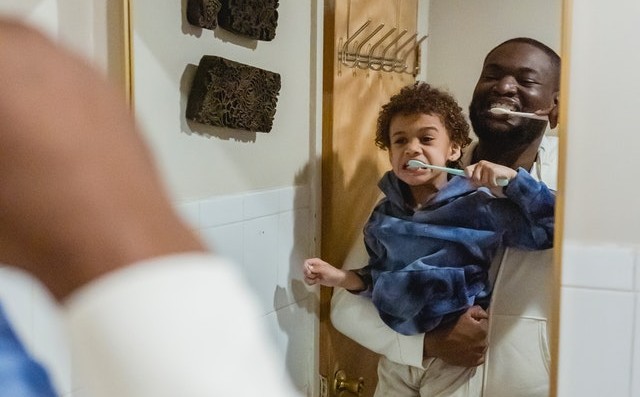
father and son brushing teeth together

Brush your teeth with fluoride toothpaste twice a day for about 2 minutes to help keep your teeth and mouth healthy.

Plaque is a film of bacteria that coats your teeth if you don’t brush them properly. It contributes to gum disease and tooth decay.

Tooth brushing stops plaque building up. Try to make sure you brush every surface of all your teeth.

When should I brush my teeth?

Brush your teeth for about 2 minutes last thing at night before you go to bed and on 1 other occasion every day.

Your dentist or hygienist may give you more advice based on your own dental health and needs.

Should I use an electric or manual toothbrush?

It doesn’t matter whether you use an electric or manual toothbrush.

They’re both equally good, as long as you brush all the surfaces of all your teeth and you use fluoride toothpaste.

But some people find it easier to clean their teeth thoroughly with an electric toothbrush.

What should I look for in a toothbrush?

For most adults, a toothbrush with a small head and a compact, angled arrangement of long and short round-end bristles is fine. Medium or soft bristles are best for most people.

If you’re using an electric brush, one with an oscillating or rotating head may work better than a manual toothbrush.

But making sure you thoroughly clean your teeth at least twice a day is more important than the type of brush you use. If in doubt, ask your dentist.

What type of toothpaste should I use?

It’s important to use a toothpaste with the right concentration of fluoride.

Check the packaging to find out how much fluoride each brand contains.

  • Adults should use a toothpaste that contains at least 1,350 parts per million (ppm) fluoride.
  • Children don’t need to use special children’s toothpaste. Children of all ages can use family toothpaste, as long as it contains 1,350 to 1,500ppm fluoride.
    Children aged 6 and under who don’t have tooth decay can use a lower strength children’s toothpaste, but make sure it contains at least 1,000ppm fluoride.
  • Children under the age of 3 should use just a smear of toothpaste. Children aged 3 to 6 years should use a pea-sized blob of toothpaste. Make sure children don’t lick or eat toothpaste from the tube.

Your dentist may advise you or your child to use a toothpaste with a higher concentration of fluoride, if you need it. Get tips on brushing children’s teeth

How to brush your teeth

Make sure you brush all the surfaces of all your teeth, which should take about 2 minutes.

Remember to brush the inside surfaces, outside surfaces and the chewing surfaces of your teeth.

Don’t rinse with water straight after toothbrushing

After brushing, spit out any excess toothpaste.

Don’t rinse your mouth immediately after brushing, as it’ll wash away the concentrated fluoride in the remaining toothpaste.

This dilutes it and reduces its preventative effects.

Should I use mouthwash?

Using a mouthwash that contains fluoride can help prevent tooth decay, but don’t use mouthwash (even a fluoride one) straight after brushing your teeth or it’ll wash away the concentrated fluoride in the toothpaste left on your teeth.

Choose a different time to use mouthwash, such as after lunch.

Don’t eat or drink for 30 minutes after using a fluoride mouthwash.

How to use dental floss

Flossing isn’t just for dislodging food wedged between your teeth.

Regular flossing may also reduce gum disease and bad breath by removing plaque that forms along the gum line.

It’s best to floss before brushing your teeth.

  • Take 12 to 18 inches (30 to 45cm) of floss or dental tape and grasp it so you have a couple of inches of floss taut between your hands.
  • Slip the floss or dental tape between the teeth and into the area between your teeth and gums, as far as it’ll go.
  • Floss with 8 to 10 strokes, up and down between each tooth, to dislodge food and plaque.

Read about why it’s important to floss.

How to use interdental brushes

You can use interdental brushes or single-tufted brushes instead of flossing, especially if there are gaps between your teeth.

The brush should fit snugly between the teeth.

Never use toothpicks to remove trapped food from between your teeth as you may damage your gums, which could lead to an infection.

Your dentist or hygienist can advise you on the best way to use interdental cleaning for your teeth.

Read more about interdental brushes.

Dental check-ups

You may assume you should have a dental check-up every 6 months, but some people may not need to go so often and others may need more frequent checks.

Your dentist will suggest when you should have your next check-up based on how good your oral health is.

Content provided by NHS.uk

Find information and advice on health conditions, symptoms, healthy living, medicines and how to get help.

Published on Tue, 14 Dec 2021 10:59:59 GMT
Modified on Wed, 25 May 2022 15:43:23 GMT

Bowel Screening

Featured image for Bowel Screening

Bowel Screening

NHS bowel cancer screening checks if you could have bowel cancer. It's available to everyone aged 60 or over and 56 year olds and regular screening reduces the risk of dying from bowel cancer by helping to find it at an earlier stage. Learn more about the screening process and how to use your FIT kit.

Why we offer bowel cancer screening

We offer screening to detect bowel cancer when it is at an early stage in people with no symptoms. This is when treatment is more likely to be effective. Screening can also find polyps. These are abnormal clumps of cells in the bowel. Polyps are not cancers, but may develop into cancers over time. Polyps can be easily removed, which reduces the risk of bowel cancer developing.

Regular bowel cancer screening reduces the risk of dying from bowel cancer.

Who we invite

We offer bowel cancer screening using a home testing kit to everyone in England from the age of 60.

Your GP practice gives us your contact details so please make sure they always have:

  • your correct name
  • date of birth
  • address

Many GPs also like to have your mobile number and email address.

We offer screening every 2 years between the ages of 60 and 74. We are gradually extending this age range, and people aged 56 are now being invited as part of this process.

If you are over 74, you can ask for a kit every 2 years by calling our free helpline on 0800 707 60 60.

You may be asked to take part in a research project (a ‘clinical trial’). Research helps the NHS improve bowel cancer prevention and treatment for people in the future. You can choose whether to take part or not. Your choice will not affect your bowel cancer screening.

Bowel cancer

Bowel cancer is also known as colon, rectal or colorectal cancer. Sometimes the cells that make up the bowel grow too quickly and form a clump of cells known as a bowel polyp (some types of polyp are called an ‘adenoma’). Polyps are not bowel cancers but they can sometimes change into a cancer over a number of years.

Risks of developing bowel cancer

Everyone, whatever your sex, is at risk of developing bowel cancer. Things that can increase your risk include:

  • getting older (8 out of 10 people diagnosed with bowel cancer are over 60)
  • not being active enough
  • being overweight
  • a diet high in red and processed meat and low in fibre, vegetables and fruits
  • smoking
  • drinking too much alcohol
  • having type 2 diabetes
  • having inflammatory bowel disease (ulcerative colitis or Crohn’s disease)
  • a family history of bowel cancer

Reducing your risk of bowel cancer

Having bowel cancer screening reduces your risk of dying from bowel cancer by at least 25%.

You can also reduce your risk of bowel cancer by:

  • keeping physically active
  • keeping a healthy weight
  • eating plenty of fibre – for example, choose wholegrain and wholemeal foods
  • eating plenty of vegetables and fruit
  • eating less red meat and especially less processed meat
  • drinking less alcohol
  • not smoking

How bowel cancer screening works

We send you an invitation letter with information about bowel cancer screening. The information is to help you decide whether to take part. Then we send you a faecal immunochemical test, or ‘FIT kit’ for short. It detects blood in your poo (blood you would not notice by eye). We look for blood because polyps and bowel cancers sometimes bleed. Finding blood does not diagnose bowel cancer but it means you need further tests (usually a bowel examination).

Most people’s screening result shows they do not need any further tests.

Some people will need further tests. If this is the case for you, we will offer you an appointment to talk about having a colonoscopy. Colonoscopy looks at the inside of your bowel. We use colonoscopy to find the source of the blood.

Using the FIT kit

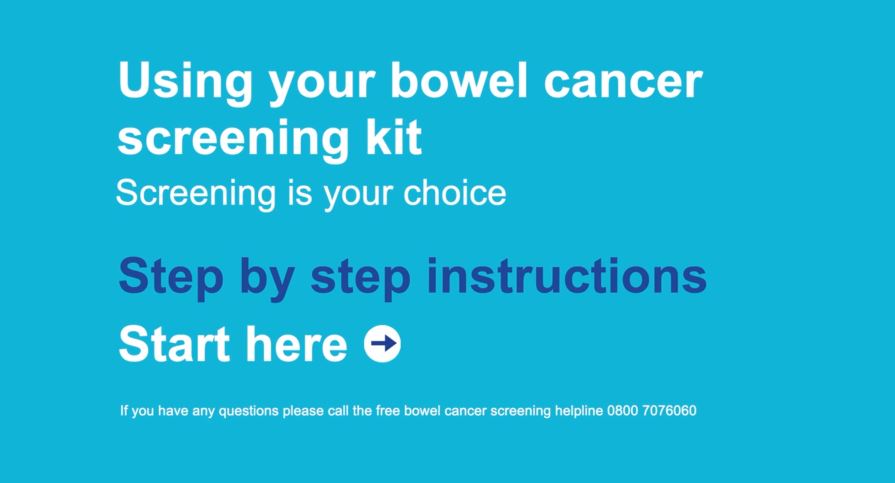
Using-the-FIT-kit

Video – Using your bowel cancer screening kit

A short animation that shows you how to use the FIT kit.

The animation is available with subtitles and in British Sign Language.

Subtitled versions are provided in English, Arabic, Bengali, Chinese (simplified and traditional), Farsi, Gujarati, Polish, Portuguese, Punjabi and Urdu.

You use the FIT kit in the privacy of your home. It’s a simple way to collect a tiny sample of poo. The kit is a small plastic bottle with a stick attached inside the lid. You use the stick to collect the sample, which you seal into the bottle. There are instructions with each kit.

Once used, you post the kit in its prepaid packaging to a laboratory for processing. Using the kit takes just a few minutes and it’s an easy and effective way to screen for early bowel cancer.

If you’re not sure whether you should use the kit, please call our free helpline on 0800 707 60 60 for advice. For example, if you have had surgery and have an artificial opening that allows poo from the bowel to pass (a stoma) then you might want to call us.

No screening test is completely effective. In bowel cancer screening this is because:

  • a polyp or cancer can sometimes be missed if it was not bleeding when the screening test was taken (a ‘false negative’ result)
  • bowel cancer may develop in between screening tests

Results

You should receive a results letter within 2 weeks of sending in your sample. There are 2 possible results.

No further tests needed at this time

Most people (about 98 out of 100) have this result. It means that we did not find any blood in your sample, or only a tiny amount which is within the screening range.

This result does not guarantee that you do not have bowel cancer, or that it will never develop in the future. We will offer you bowel cancer screening again in 2 years’ time if you are under the age of 75.

Further tests needed

About 2 in every 100 people have this result. It means that we found an amount of blood in your sample above the screening range.

This does not mean that you have cancer, but it does mean we will offer you an appointment to discuss having a colonoscopy. Several things can cause blood in poo, such as:

  • haemorrhoids (piles)
  • bowel polyps
  • bowel cancer

Having further tests (usually a colonoscopy) means we can look for the cause of the blood.

If you need further tests:

We will offer you an appointment at a local screening centre (usually in a hospital). This is to discuss having a more detailed examination of your bowel (colonoscopy). The colonoscopy is to see if there is a problem that needs treatment.

Only around 2 in 100 people who complete the FIT kit need a colonoscopy.

For more information, you can read the Government leaflet about colonoscopy.

Possible benefits and risks of bowel cancer screening

Benefits

  • reduces your risk of dying from bowel cancer by at least 25%
  • allows us to remove any polyps found during colonoscopy, which reduces your risk of developing bowel cancer
  • can be completed at home in private

Risks

  • cause complications, for example, during or after colonoscopy
  • miss a cancer if it was not bleeding when you used the FIT kit

Find out how to opt out of screening.

Further information:

For more information about bowel cancer screening, or if you are 75 or over and would like a FIT kit, call the free helpline on 0800 707 60 60.

You can ask for a kit every 2 years.

You can also:

If you have hearing or speech difficulties you can use the Relay UK service to contact us. Dial 18001 then 0800 707 60 60 from your textphone or the Relay UK app.

Content provided by NHS.uk

Find information and advice on health conditions, symptoms, healthy living, medicines and how to get help.

Published on Thu, 09 Dec 2021 10:22:26 GMT
Modified on Mon, 18 Jul 2022 12:23:50 GMT

Services and Support for Parents

Featured image for Services and Support for Parents

Services and Support for Parents

There are lots of local and national support groups to help keep you on track with your new baby's development and look after your own health and wellbeing in the process. Take a look at some of these services.

NHS services for new parents

Registering your baby with a GP

Register your baby with your GP as early as possible in case you need their help.

You can contact your GP at any time, whether it’s for you or your child.

If you move, register with a new GP close to you as soon as possible.

If your baby is not yet registered with a GP but needs to see one, you can receive emergency treatment from any GP surgery.

How your health visitor can help

A health visitor will usually visit you at home for the first time around 10 days after your baby is born. Until then you’ll be cared for by local midwives.

A health visitor is a qualified nurse or midwife who has had extra training. They’re there to help you, your family and your new baby stay healthy.

Your health visitor can visit you at home, or you can see them at your child health clinic, GP surgery or health centre, depending on where they’re based.

Talk to your health visitor if you’re struggling with your mental health. They can give you advice and suggest where to find help.

They may also be able to put you in touch with groups where you can meet other parents.

Child health clinics

Child health clinics are run by health visitors and GPs. They offer regular baby health and development reviews and vaccinations.

You can also talk about any problems to do with your child, but if your child is ill and likely to need treatment, see your GP.

Some child health clinics also run parent and baby, breastfeeding, and peer support groups.

Local authority services

Sure Start children’s centres

Sure Start children’s centres provide family health and support services, early learning, and full-day or temporary care for children from birth to 5 years.

They also provide advice and information for parents on a range of issues, from parenting to training and employment opportunities. Some have special services for young parents.

Family Information Service

Family Information Service (FIS) aims to help you support your children by providing information for parents.

Each FIS has close links with children’s centres, Jobcentre Plus, schools, careers advisers, youth clubs and libraries.

They offer information about local childcare services and availability, and can help if you need childcare for a child with a disability or special needs.

You can find out if these services are available in your area by contacting your local council.

Local advice centres

Advice centres are non-profit agencies that give advice on issues such as benefits and housing.

You can search online for organisations such as:

  • Citizens Advice
  • community law centres
  • welfare rights offices
  • housing aid centres
  • neighbourhood centres
  • community projects

To help you get the most out of services:

  • write down what you want to talk about and what information you can give that will be helpful
  • tell the person you are talking to if you do not understand them – you could ask them to write down what they are saying

There may be support available if English is not your first language. Ask your health visitor what’s available in your area.

Parent and baby groups

To find out about local parent and baby groups:

  • ask your health visitor or GP
  • look on noticeboards and for leaflets at your local child health clinic, health centre, GP’s waiting room, children’s centre, library, advice centre, supermarket or newsagent
  • search on the internet, on social media or your local council’s website

In some areas, there are groups that offer support to parents who share the same background and culture.

Your health visitor may know whether there are any groups like these near you.

Websites, helplines and support groups

Contact: for families with disabled children charity logo

Contact: for families with disabled children

Support, advice and information for parents with disabled children.

Gingerbread charity logo

Gingerbread: single parents, equal families

Help and advice on the issues that matter to lone parents.

Family rights group charity logo

Family Rights Group

Support for parents and other family members whose children are involved with or need social care services.

Family lives charity logo

Family Lives

An organisation providing immediate help from volunteer parent support workers 24 hours a day, 7 days a week.

Content provided by NHS.uk

Find information and advice on health conditions, symptoms, healthy living, medicines and how to get help.

Published on Fri, 03 Dec 2021 16:55:38 GMT
Modified on Mon, 04 Apr 2022 10:38:14 GMT

Healthy Eating

Featured image for Healthy Eating

Healthy Eating

Eating a healthy, balanced diet is an important part of maintaining good health, and can help you feel your best. This means eating a wide variety of foods in the right proportions, and consuming the right amount of food and drink to achieve and maintain a healthy body weight.

The key to a healthy diet is to eat the right amount of calories for how active you are so you balance the energy you consume with the energy you use.

It’s recommended that men have around 2,500 calories a day.

Women should have around 2,000 calories a day.

If you eat or drink more than your body needs, you’ll put on weight because the energy you do not use is stored as fat. If you eat and drink too little, you’ll lose weight.

You should also eat a wide range of foods to make sure you’re getting a balanced diet and your body is receiving all the nutrients it needs.

The Eatwell Guide

The Eatwell Guide shows how much of what we eat overall should come from each food group to achieve a healthy, balanced diet. You do not need to achieve this balance with every meal, but try to get the balance right over a day or even a week.

View more

Eating a balanced diet

Eating a healthy, balanced diet is an important part of maintaining good health, and can help you feel your best. This means eating a wide variety of foods in the right proportions, and consuming the right amount of food and drink to achieve and maintain a healthy body weight.

View more

Tips to eat well for less

If cost is discouraging you from trying to make changes to your and your family's diet, read on: healthy eating does not have to cost more.

View more

Meal ideas

Here are some healthy meal ideas to give you some inspiration.

View more

Healthy 100-calorie snack ideas

With these surprising 100-calorie snacks you can enjoy some of the nation's favourite treats without derailing your diet. Most of these low-calorie bites, from dietitian Azmina Govindji, require only 3 ingredients and take less than 5 minutes to prepare.

View more

Support for a healthier lifestyle

Advice, tips and tools to help you make the best choices about your health and wellbeing.

View more

Manage your weight

Being overweight can increase your risk of heart disease. Stick to a healthy, balanced diet low in fat and sugar, with plenty of fruit and vegetables, combined with regular physical activity.

Find out if you’re a healthy weight with the BMI calculator.

If you need to lose weight, you can use the NHS weight loss plan. It’s a free 12-week diet and exercise plan to help you lose weight and develop healthier habits.

Get a FREE personalized health score when you complete this 10 minute quiz.

More ways to kickstart your health

If you want to improve other aspects of your wellbeing, the NHS has many great free tools to support you:

Easy Meals app

Meal ideas, recipes, cooking tips.

Active 10 app

Track and build up your daily walks.

Drink Free Days app

For the days you do not want to drink alcohol.

Food Scanner app

Find out what’s really in your food and drink.

Couch to 5K

A running app for absolute beginners.

Featured image for The Eatwell Guide

The Eatwell Guide

The Eatwell Guide shows how much of what we eat overall should come from each food group to achieve a healthy, balanced diet. You do not need to achieve this balance with every meal, but try to get the balance right over a day or even a week.

How does the Eatwell Guide work?

The Eatwell Guide divides the foods we eat and drink into 5 main food groups.

Try to choose a variety of different foods from each of the groups to help you get the wide range of nutrients your body needs to stay healthy.

Find out how food labels can help you choose between foods and pick those lower in calories, fat, saturated fat, sugar and salt.

Combination foods

Many foods, such as pizzas, casseroles, pasta dishes and sandwiches, are combinations of the food groups in the Eatwell Guide.

With these meals, check the ingredients and think about how these fit with the sections on the guide to help you achieve a balanced diet.

Eat at least 5 portions of a variety of fruit and vegetables a day

Most of us still are not eating enough fruit and vegetables. They should make up over a third of the food we eat each day.

Aim to eat at least 5 portions of a variety of fruit and veg each day. Choose from fresh, frozen, tinned, dried or juiced.

Remember that fruit juice and smoothies should be limited to no more than a combined total of 150ml a day.

Fruit and vegetables are a good source of vitamins, minerals and fibre.

Find out more about how to get your 5 A Day

Base meals on potatoes, bread, rice, pasta or other starchy carbohydrates

Starchy food should make up just over a third of the food we eat. Choose higher fibre wholegrain varieties, such as wholewheat pasta and brown rice, or simply leave skins on potatoes.

There are also higher fibre versions of white bread and pasta.

Starchy foods are a good source of energy and the main source of a range of nutrients in our diet.

Find out more about starchy foods

Have some dairy or dairy alternatives (such as soya drinks and yoghurts)

Milk, cheese, yoghurt and fromage frais are good sources of protein and some vitamins, and they’re also an important source of calcium, which helps keep our bones healthy.

Try to go for lower-fat and lower-sugar products where possible, like 1% fat milk, reduced-fat cheese or plain low-fat yoghurt.

Find out more about milk and dairy foods

Eat some beans, pulses, fish, eggs, meat and other protein

These foods are good sources of protein, vitamins and minerals. Pulses, such as beans, peas and lentils, are good alternatives to meat because they’re lower in fat and higher in fibre and protein, too.

Choose lean cuts of meat and mince, and eat less red and processed meat like bacon, ham and sausages.

Aim for at least 2 portions of fish every week, 1 of which should be oily, such as salmon or mackerel.

Find out about fish, eggs and meat.

Choose unsaturated oils and spreads, and eat in small amounts

Unsaturated fats are healthier fats and include vegetable, rapeseed, olive and sunflower oils.

Remember all types of fat are high in energy and should be eaten sparingly.

Find out more about the different types of fat in our diet

Eat foods high in fat, salt and sugar less often and in small amounts

These foods include chocolate, cakes, biscuits, sugary soft drinks, butter, ghee and ice cream.

They’re not needed in our diet, so should be eaten less often and in smaller amounts.

Get tips on cutting down on sugar

Drink plenty of fluids – the government recommends 6 to 8 cups or glasses a day

Water, lower-fat milks and lower-sugar or sugar-free drinks, including tea and coffee, all count.

Fruit juice and smoothies also count towards your fluid consumption, but they contain free sugars that can damage teeth, so limit these drinks to a combined total of 150ml a day.

Find out more about water, drinks and your health

Download the Eatwell Guide booklet

For more information, including details of which foods are included in the food groups, download GOV.UK’s The Eatwell Guide.

Content provided by NHS.uk

Find information and advice on health conditions, symptoms, healthy living, medicines and how to get help.

Published on Thu, 02 Dec 2021 09:37:15 GMT
Modified on Mon, 04 Apr 2022 11:48:13 GMT
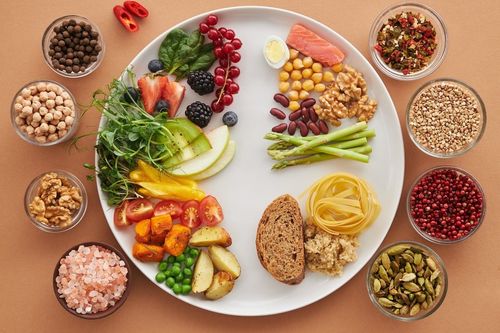
Featured image for Eating a balanced diet

Eating a balanced diet

Eating a healthy, balanced diet is an important part of maintaining good health, and can help you feel your best. This means eating a wide variety of foods in the right proportions, and consuming the right amount of food and drink to achieve and maintain a healthy body weight.

Fruit and Vegetables

Fruit and vegetables are a good source of vitamins and minerals and fibre, and should make up just over a third of the food you eat each day.

It’s recommended that you eat at least 5 portions of a variety of fruit and vegetables every day. They can be fresh, frozen, canned, dried or juiced.

There’s evidence that people who eat at least 5 portions of fruit and vegetables a day have a lower risk of heart disease, stroke and some cancers.

Eating 5 portions is not as hard as it sounds.

A portion is:

  • 80g of fresh, canned or frozen fruit and vegetables
  • 30g of dried fruit – which should be kept to mealtimes
  • 150ml glass of fruit juice or smoothie – but do not have more than 1 portion a day as these drinks are sugary and can damage teeth

Just 1 apple, banana, pear or similar-sized fruit is 1 portion each.

Starchy foods and carbohydrates

Starchy foods are our main source of carbohydrate and have an important role in a healthy diet.

Starchy foods are a good source of energy and the main source of a range of nutrients in our diet. As well as starch, they contain fibre, calcium, iron and B vitamins.

Some people think starchy foods are fattening, but gram for gram they contain fewer than half the calories of fat.

Wholegrain varieties of starchy foods and potatoes (particularly when eaten with their skin on) are good sources of fibre.

Milk and dairy foods (and alternatives)

Milk and dairy foods, such as cheese and yoghurt, are good sources of protein. They also contain calcium, which helps keep your bones healthy.

The total fat content of dairy products can vary a lot. To make healthier choices, look at the nutrition information on the label to check the amount of fat, including saturated fat, salt and sugar, in the dairy products you’re choosing.

Go for lower fat and lower sugar products where possible.

Choose semi-skimmed, 1% fat or skimmed milk, as well as lower fat hard cheeses or cottage cheese, and lower fat, lower sugar yoghurt.

Dairy alternatives, such as soya drinks, are also included in this food group.

When buying alternatives, choose unsweetened, calcium-fortified versions.

Beans, pulses, fish, eggs, meat and other proteins

These foods are all good sources of protein, which is essential for the body to grow and repair itself.

They’re also good sources of a range of vitamins and minerals.

Meat is a good source of protein, vitamins and minerals, including iron, zinc and B vitamins. It’s also one of the main sources of vitamin B12.

Choose lean cuts of meat and skinless poultry whenever possible to cut down on fat. Always cook meat thoroughly.

Try to eat less red and processed meat like bacon, ham and sausages.

Eggs and fish are also good sources of protein, and contain many vitamins and minerals. Oily fish is particularly rich in omega-3 fatty acids.

Aim to eat at least 2 portions of fish a week, including 1 portion of oily fish.

Pulses, including beans, peas and lentils, are naturally very low in fat and high in fibre, protein, vitamins and minerals.

Nuts are high in fibre, and unsalted nuts make a good snack. But they do still contain high levels of fat, so eat them in moderation.

Oils and spreads

Some fat in the diet is essential, but on average people in the UK eat too much saturated fat.

It’s important to get most of your fat from unsaturated oils and spreads.

Swapping to unsaturated fats can help lower cholesterol.

Remember that all types of fat are high in energy and should be eaten in small amounts.

Saturated fat, sugar and salt

Fat is a source of essential fatty acids, which the body cannot make itself.

Saturated fats are found in many foods, both sweet and savoury.

Most of them come from animal sources, including meat and dairy products, as well as some plant foods, such as palm oil and coconut oil.

As part of a healthy diet, you should try to cut down on foods and drinks that are high in saturated fats and trans fats and replace some of them with unsaturated fats.

Too much saturated fat can increase the amount of cholesterol in the blood, which increases your risk of developing heart disease.

Regularly consuming foods and drinks high in sugar increases your risk of obesity and tooth decay.

Eating too much salt can raise your blood pressure, which increases your risk of getting heart disease or having a stroke.

Adults and children aged 11 and over should eat no more than 6g of salt (about a teaspoonful) a day. Younger children should have even less.

Content provided by NHS.uk

Find information and advice on health conditions, symptoms, healthy living, medicines and how to get help.

Published on Mon, 17 Jan 2022 14:43:35 GMT
Modified on Mon, 11 Apr 2022 15:49:19 GMT
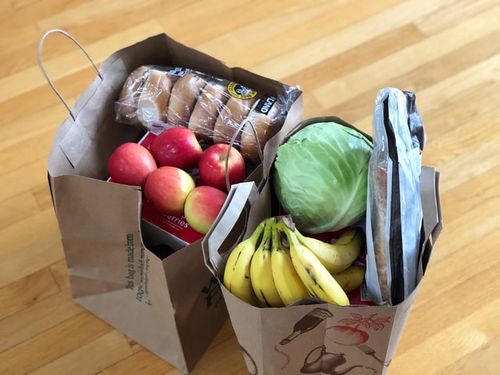
Featured image for Tips to eat well for less

Tips to eat well for less

If cost is discouraging you from trying to make changes to your and your family's diet, read on: healthy eating does not have to cost more.

Write a shopping list

Draw up a weekly meal plan using up ingredients you already have and make a shopping list of any missing items.

Try not to shop when hungry. People who shop when hungry are more likely to spend more, especially on less healthy foods, such as high-fat and sugary snacks.

Waste nothing

The average family with children throws away almost £60 of good food every month. Be strict about buying only what you’ll actually eat.

Plan your meals so all the ingredients on your list get used. Freeze any unused food. Food storage bags and boxes will come in handy.

Eat leftovers for lunch

Cook extra portions for your evening meal so you can have the leftovers for lunch the next day.

Any leftovers can be frozen for another day. Eventually, you’ll have a freezer full of homemade ready meals on tap.

Find out how to use leftovers safely

Buy frozen

Frozen fruit and vegetables are underrated. They come pre-chopped and ready to use, are just as good for you (try to avoid those with added salt, sugar or fat), and are often cheaper than fresh varieties.

Frozen vegetables are picked at the peak of freshness and then frozen to seal in their nutrients.

Get tips on freezing and defrosting

Try cheaper brands

You could save money by buying cheaper brands than you normally do.

There’s not always much difference between value and premium ranges. Give it a go and let your taste buds be the judge, not the shiny label.

Find out how food labels can help you make healthier choices

Eat more veg

Meat and fish are typically the most expensive food ingredients on a shopping list.

How about adding vegetables to meat dishes like casseroles to make your meals go further? Or try a few vegetarian meals during the week to keep costs down.

Make it fun by joining the thousands of people who regularly take part in meat-free Monday.

Cook with pulses

Pulses, such as beans, lentils and peas, are some of the cheapest foods on the supermarket shelf.

These pulses are low in calories and fat but packed with fibre, vitamins and minerals, and also count towards your 5 A Day.

Use them in dishes to replace some of the chicken or meat, such as a chilli con carne with kidney beans or a chicken curry with chickpeas.

Freeze leftover bread

Bread is one of the most wasted household foods. Reduce waste by freezing bread, preferably in portions (for convenience) and when it’s at its freshest (for taste).

Store bread in an airtight container (such as a freezer bag) to avoid freezer burn.

Know your kitchen

Know what’s in your kitchen store cupboard, fridge and freezer. You may find you have got enough ingredients to make a meal.

Plan your week’s meals to include ingredients you have already got in and avoid buying items you already have.

Check use-by dates to make sure you use up ingredients before they go off.

Buy cheaper cuts

If you’re prepared to take a little more time with your cooking, buying cheaper cuts of meat is a great way to save money.

Choosing a cheaper cut of meat, such as braising steak, shin or shoulder, does not mean missing out on a tasty meal.

Slow cooking gradually breaks down the fibres in cheaper cuts, giving great taste at a lower cost.

Look up cheap recipes

Cheap does not have to mean less tasty. There are plenty of websites offering recipes for cheap eats and leftover ingredients.

Check out Change4Life’s healthy recipes for some inspiration and easy meal ideas.

Eat smaller portions

Try eating smaller portions by saying no to a second helping or using smaller plates.

You’ll have more left over for lunch the next day and your waistline may benefit, too.

Try weighing or measuring out staples such as pasta and rice when cooking to stay in control of portion size and reduce waste.

Cook from scratch

Save money by cutting back on takeaways. Preparing and cooking your own meals is generally cheaper than buying a takeaway or a ready meal, and because it’s easier to control what goes into your dish, it can be healthier.

Buy chicken whole

The cheapest way to buy chicken is to buy a whole chicken. From a whole chicken, you’ll get 2 breasts, 2 thighs, drumsticks and wings, plus a carcass for making stock.

Consider using the deli counter for cheese and cured meats. You can get exact amounts, which is cheaper and less wasteful.

Compare pre-packed with loose

Fruit and vegetables sometimes cost more pre-packed than loose.

Check the price per weight (for example, £/kg). Stores know that consumers want to buy in bulk, so they mix it up: sometimes the packed produce is cheaper, sometimes it’s more expensive.

Also, pre-packed is not always the freshest and you may end up with more than you need.

Cut down on luxuries

If your regular shopping basket tends to include fizzy drinks, crisps, snack bars, biscuits and cakes, try trimming down on these non-essential items.

Many of these are high in sugar and fat, so you’ll be doing your waistline and your bottom line a favour. They can also contain a lot of salt.

Think about cheaper and healthier alternatives, such as sparkling water and fruit juice instead of cola, or fruit and plain yoghurt.

Beware of BOGOF offers

Special discounts, such as buy-one-get-one-free (BOGOF) deals, can offer good value, but be careful.

Only buy items you actually need and are likely to keep and use. Tinned or frozen fruit and veg, or rice and pasta, are good examples.

Markdowns on perishables at the end of the shopping day are another way to bag a saving.

But make sure the item gets used before the use-by date and does not go off sooner than expected.

Toddlers eat the same

If you have a toddler in tow, get them used to eating the same meals as you instead of relying on costly pre-prepared toddler food.

Simply blend or chop up their portion to suit their age and freeze extra child-sized portions for later.

Make sure not to add any salt to their portions, and be careful with spicy food.

Shop online

Search for supermarket price comparisons that let you select a basket of products and then choose the cheapest supplier. The price differences can be significant.

Unlike going to the shops yourself, you’ll know how much you have spent before going to the till, which can make it easier to stay within budget.

Shop during the ‘happy hour’

Most supermarkets discount fresh items towards the end of the day.

But with longer opening hours, it’s a case of finding out just the right time to grab those bargains.

If you time it right, the “reduced to clear shelves” can save you big money. Always check use-by dates.

Content provided by NHS.uk

Find information and advice on health conditions, symptoms, healthy living, medicines and how to get help.

Published on Mon, 17 Jan 2022 16:10:38 GMT
Modified on Tue, 10 May 2022 15:33:14 GMT

Featured image for Meal ideas

Meal ideas

Here are some healthy meal ideas to give you some inspiration.

Breakfast ideas:

Lunch ideas:

Dinner ideas:

More suggestions:

Eating Well

Healthy, delicious recipes, including quick dinner, easy lunch ideas, snacks, breakfast, soup and more, from the food and nutrition experts at EatingWell.

Change For Life

Get the family involved and make tasty meals from scratch.

Content provided by NHS.uk

Find information and advice on health conditions, symptoms, healthy living, medicines and how to get help.

Published on Thu, 02 Dec 2021 09:35:57 GMT
Modified on Mon, 04 Apr 2022 11:49:57 GMT

Featured image for Healthy 100-calorie snack ideas

Healthy 100-calorie snack ideas

With these surprising 100-calorie snacks you can enjoy some of the nation's favourite treats without derailing your diet. Most of these low-calorie bites, from dietitian Azmina Govindji, require only 3 ingredients and take less than 5 minutes to prepare.

Cheese and tomato toastie (93kcal)

A slimmed-down but no less scrumptious version of an all-time British classic. Simply chop the tomato and spring onion, sprinkle them over a slice of crispbread, cover with grated cheese and place under a pre-heated grill for a couple of minutes.

  • 1 wholegrain crispbread: 39kcal
  • 15g grated 30%-less-fat mature cheese: 47kcal
  • 40g tomato: 7kcal
  • an optional sprinkling of chopped spring onion (calories nominal)

‘3-fruit’ fruit salad (102kcal)

Refreshing and easy to make, this “3-fruit” fruit salad, which includes store-cupboard-friendly tinned pineapple, provides 2.5 portions of your recommended 5 A Day.

  • 50g seedless black grapes, cut in half: 30kcal
  • 50g diced apple: 26kcal
  • 100g chopped tinned pineapple in juice: 46kcal

Cheese and pickle canapés (100kcal)

Enjoy these party nibbles without breaking the calorie bank. Use a potato peeler to get melt-in-your-mouth, wafer-thin cheese slices, and top with gherkin slices and pickle.

  • 3 water biscuits: 42kcal
  • 15g 30%-less-fat mature cheddar: 46kcal
  • 30g gherkin: 4kcal
  • 6g (1tsp) pickle: 8kcal

Smoked salmon and cream cheese parcels (109kcal)

For a touch of sophistication, try these delicate smoked salmon parcels. To prepare, place 4 strips of salmon on an even surface and spread 5g of soft cheese mixed with some dill at one end of each strip. Starting from the cheese end, gently fold each strip into rolls.

  • 48g smoked salmon, cut into 4 even strips: 68kcal
  • 20g reduced-fat soft cheese (5g per parcel): 39kcal
  • a squeeze of lemon juice: 2kcal
  • optional sprinkling of fresh dill

Apple and peanut butter (96kcal)

Craving something crunchy and nutty? Fresh apple slices and peanut butter are the perfect combination to keep you going until your next main meal.

  • 50g sliced apple: 26kcal
  • 12g (1tsp) peanut butter: 70kcal
  • optional sprinkling of cinnamon

Baked beans on toast (99kcal)

It’s perhaps the ultimate comfort food, and we believe you should still be able to enjoy it even if you’re watching your calories.

  • a 22g slice of toasted wholegrain or wholemeal bread: 48kcal
  • 60g baked beans: 51kcal
  • optional sprinkling of chives

Homemade popcorn (89kcal)

The smell of freshly made popcorn is right up there with freshly baked bread. As a source of fibre, popcorn will keep you feeling full for longer, making it an ideal snack – plus, it’s really easy to make.

  • 20g popping corn: 62kcal
  • 3g (1tsp) of vegetable oil: 27kcal
  • optional sprinkling of chilli powder and worcester sauce

Content provided by NHS.uk

Find information and advice on health conditions, symptoms, healthy living, medicines and how to get help.

Published on Mon, 17 Jan 2022 15:35:24 GMT
Modified on Tue, 10 May 2022 15:34:25 GMT

 

Featured image for Support for a healthier lifestyle

Support for a healthier lifestyle

Advice, tips and tools to help you make the best choices about your health and wellbeing.

Lifestyle advice:

  • Stop smoking – Local stop smoking services are free, friendly and can massively boost your chances of quitting for good.
  • Alcohol support – Realising you have a problem with alcohol is the first big step to getting help.

Exercise help:

Local support:

alexandra rose charity logo and link to website

Alexandra Rose

The Rose Vouchers for Fruit & Veg Project helps families on low incomes to buy fresh fruit and vegetables and supports them to give their children the healthiest possible start.

live your life well logo and link to website

Live Your Life Well

Making small changes to your life can have a massive impact on the way you feel. During the Coronavirus (COVID-19) outbreak you may feel anxious, stressed or worried. There are things you can do to help you feel better.

feeding liverpool logo and link to website

Feeding Liverpool

Find a community Food Space near you

liverpool local council logo and link to foodbanks website

Local Foodbanks

Your local foodbank can provide at least three days’ emergency food and support to people in crisis.

To find out more about Feeding Liverpool and the ‘Good Food Plan,’ click here.

Eating Disorders:

Content provided by NHS.uk

Find information and advice on health conditions, symptoms, healthy living, medicines and how to get help.

Published on Fri, 03 Dec 2021 09:40:42 GMT
Modified on Mon, 04 Apr 2022 11:51:54 GMT

Content provided by NHS.uk

Find information and advice on health conditions, symptoms, healthy living, medicines and how to get help.

Published on Thu, 02 Dec 2021 09:32:51 GMT
Modified on Fri, 23 Jun 2023 10:15:15 GMT

Checking your breasts

Featured image for Checking your breasts

Checking your breasts

There's no right or wrong way to check your breasts. But it's important to know how your breasts usually look and feel. That way, you can spot any changes quickly and report them to a GP.

Be breast aware

Every woman’s breasts are different in terms of size, shape and consistency. It’s also possible for one breast to be larger than the other.

Get used to how your breasts feel at different times of the month. This can change during your menstrual cycle. For example, some women have tender and lumpy breasts, especially near the armpit, around the time of their period.

After the menopause, normal breasts feel softer, less firm and not as lumpy.

The NHS Breast Screening Programme has produced a 5-point plan for being breast aware:

  • know what’s normal for you
  • look at your breasts and feel them
  • know what changes to look for
  • report any changes to a GP without delay
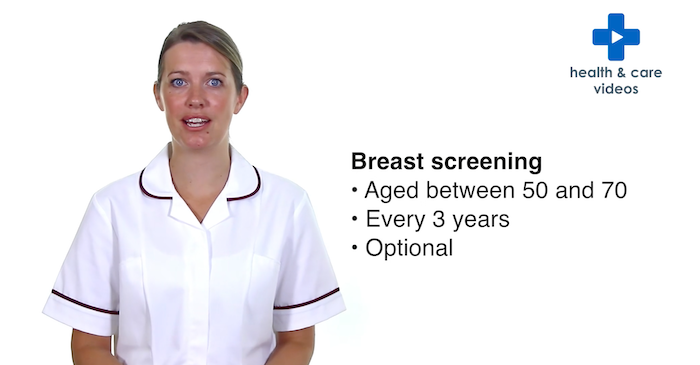
  • attend routine screening if you’re aged 50 to 70

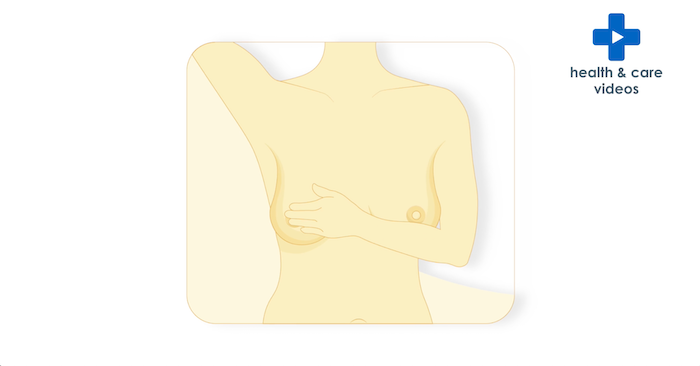
Look at your breasts and feel each breast and armpit, and up to your collarbone. You may find it easiest to do this in the shower or bath, by running a soapy hand over each breast and up under each armpit.

You can also look at your breasts in the mirror. Look with your arms by your side and also with them raised.

Breast changes to look out for

See a GP if you notice any of the following changes:

  • a change in the size, outline or shape of your breast
  • a change in the look or feel of the skin on your breast, such as puckering or dimpling, a rash or redness
  • a new lump, swelling, thickening or bumpy area in one breast or armpit that was not there before
  • a discharge of fluid from either of your nipples
  • any change in nipple position, such as your nipple being pulled in or pointing differently
  • a rash (like eczema), crusting, scaly or itchy skin or redness on or around your nipple
  • any discomfort or pain in one breast, particularly if it’s a new pain and does not go away (although pain is only a symptom of breast cancer in rare cases)
Always see a GP if you are concerned

Breast changes can happen for many reasons, and most of them are not serious. Lots of women have breast lumps, and most breast lumps are not cancerous.

However, if you find changes in your breast that are not normal for you, it’s best to see a GP as soon as possible. This is because it’s important to rule out breast cancer. If cancer is detected, then appropriate treatment should be planned as quickly as possible.

Find out more information about cancer.

Videos

More support

Breast screening (mammogram)

Information from the NHS on breast screening, who is invited and what happens at your appointment.

Sign up for monthly reminders

Wherever and whenever you like to coppafeel, we have all you need to make sure you remember to get hands on with your boobs each month.

Information on breast cancer form Macmillan

Find information about all types of cancer, including diagnosis, treatments and drugs, as well as advice to help with the different ways cancer may impact your life.

>

Content provided by NHS.uk

Find information and advice on health conditions, symptoms, healthy living, medicines and how to get help.

Published on Fri, 26 Nov 2021 15:29:03 GMT
Modified on Wed, 09 Feb 2022 16:44:44 GMT